Gonorrhoea
Purulent urethritis, cervicitis, pharyngeal and rectal infection, DGI and neonatal conjunctivitis from Neisseria gonorrhoeae; current diagnosis and treatment.
- Gonorrhoea is a sexually transmitted infection caused by the bacterium Neisseria gonorrhoeae; it can also be passed from mother to baby during birth.
- In men it most often presents as purulent urethritis with dysuria; in women it is frequently silent until pelvic inflammatory disease (PID), infertility, or an ectopic pregnancy occurs.
- Pharyngeal and rectal infection are common and are often asymptomatic.
- Uncomplicated urogenital, rectal, and pharyngeal disease in adults and adolescents is treated with one intramuscular dose of ceftriaxone, with dose adjusted for body weight; add treatment for chlamydia whenever chlamydial infection has not been excluded.
- N. gonorrhoeae can spread through the blood to produce disseminated gonococcal infection (DGI), with dermatitis, tenosynovitis, and joint involvement.
By the end of this page you should be able to:
- Describe the microbiology of N. gonorrhoeae and how it is transmitted.
- Recognise gonorrhoea at each anatomical site and list its complications.
- Choose and interpret the right diagnostic test: NAAT, culture for antimicrobial susceptibility, and Gram stain.
- Treat uncomplicated gonorrhoea, pharyngeal infection, DGI, and neonatal disease, including body-weight adjustment and chlamydia co-treatment.
- Manage sex partners and know when a test of cure is needed.
- Outline low-resource practice, including the WHO dual-therapy recommendation.
DefinitionGonorrhoea
Gonorrhoea is infection with the Gram-negative bacterium Neisseria gonorrhoeae, an obligate human pathogen that infects epithelium of the urogenital tract, rectum, pharynx, and conjunctiva, and that can spread via the bloodstream to produce disseminated disease.
Neisseria gonorrhoeae is a kidney-bean shaped, Gram-negative diplococcus. It is oxidase-positive, grows on enriched media in a carbon dioxide enriched atmosphere, and is fastidious: it demands moisture and enriched nutrients and dies quickly outside the human body, so transmission requires fairly direct sexual or perinatal contact. It attaches to epithelial cells through type IV pili and opacity-associated (Opa) proteins, invades them, and multiplies; this produces a brisk local neutrophilic (purulent) response, which is why discharge is thick and yellow-green.
There is no human vaccine. The organism is antigenically variable through pilin variation and Opa switching, which is one reason why natural infection does not confer reliable immunity and why repeated infection is common. Gonorrhoea can be mistaken clinically for chlamydial infection, but the two organisms differ microbiologically and in their drug susceptibility; testing for both is standard because coinfection is frequent.
Gonorrhoea is a global problem. The World Health Organization (WHO) has estimated that there were 82.4 million new cases of gonorrhoea in 2020 in adolescents and adults aged 15 to 49 years worldwide. [3] Rates of reported gonococcal infection have continued to increase in many regions, including parts of Asia, Europe, and North America. Gonorrhoea is the second most reported sexually transmitted infection worldwide. [3]
In the United States, an estimated 1,568,000 new N. gonorrhoeae infections occur each year, and gonorrhoea is the second most commonly reported bacterial communicable disease. [1] In 2021 a total of 710,151 cases of gonorrhoea were reported to the Centers for Disease Control and Prevention (CDC), a 4.6% increase from 2020 to 2021, with rates having increased by 118% since the historical low rate in 2009. [3] Gonococcal infection is concentrated in specific geographic locations and communities, so local epidemiology matters and local public health authorities should guide screening priorities. [1]
Asymptomatic infection is the rule in several sites. In females, urogenital infections may be asymptomatic in 86.4% to 92.6% of cases. [3] In males the rate is less well defined, but one study predicts that 55.7% to 86.8% of cases may be asymptomatic. [3] Pharyngeal infection is the most silent of all: in one longitudinal study of men who have sex with men (MSM), 92% of pharyngeal gonorrhoea cases were asymptomatic. [3] This is why screening, rather than waiting for symptoms, is the mainstay of control.
Transmission is primarily sexual: vaginal, anal, and oral intercourse. Perinatal transmission during passage through an infected birth canal causes neonatal disease. The organism does not survive long on skin or surfaces, and nonsexual transmission is rare.
Risk is increased by inconsistent condom use in non-monogamous relationships, previous or coexisting sexually transmitted infections, exchanging sex for money or drugs, and by factors that increase the chance of partners with infection. In the United States, CDC recommends annual screening for all sexually active women under 25 years of age and for older women at increased risk; for MSM at high risk, screening at all exposed anatomic sites every 3 to 6 months, and at least annually for all MSM. [1] Screening for gonorrhoea among heterosexual men and women older than 25 years who are at low risk is not recommended there. [1] A recent travel history with sexual contacts outside the country should form part of every gonorrhoea evaluation. [1]
Local infection begins with attachment to epithelial cells. N. gonorrhoeae then penetrates into and between cells, provoking a dense neutrophilic infiltrate and tissue oedema. The result is a purulent exudate at the site: urethral or cervical discharge, pharyngeal exudate, or rectal pus. The inflammatory response is driven by the bacterial lipooligosaccharide and by neutrophil influx; many organisms are intracellular within neutrophils, which accounts for the classic Gram stain picture.
A useful way to read gonorrhoea is as two processes happening at once: an infection of mucosal surfaces and, only rarely, a bloodstream infection that reaches joints, skin, and distant organs. Most transmission and most tissue damage come from the mucosal phase, because that is where organisms are abundant and where they persist if they are not cleared or treated. Transmission risk is highest while infection is untreated, which is why current guidance stresses providing medication on site and directly observing treatment.
Mucosal colonisation can be established after exposure with a relatively small inoculum. Pili provide adherence and change their antigenic structure, Opa proteins allow receptor choice, and the organism scavenges iron and resists neutrophil killing. The host mounts an antibody response that is specific but not reliably protective, which is why reinfection after treatment is well documented and why screening matters as much as treatment.
Ascending infection in women is the dangerous step. From the cervix the organism can ascend to the endometrium, fallopian tubes, and ovaries, producing PID. Tubal inflammation and scarring follow, which is the mechanism behind infertility and ectopic pregnancy after gonococcal infection.
Dissemination occurs when organisms reach the bloodstream, usually in the setting of local but sometimes minimal or asymptomatic mucosal infection. DGI (disseminated gonococcal infection) typically presents as septic arthritis, dermatitis, or tenosynovitis. [3] Rarely endocarditis, osteomyelitis, myositis, or meningitis can occur. [3] Risk factors for dissemination include female sex, menstruation, pregnancy, terminal complement deficiency, and drugs that inhibit terminal complement activation such as eculizumab; reports are increasing among men. [1] Terminal complement defects impair the killing of N. gonorrhoeae, which explains why these patients disseminate.
Autoinoculation spreads organisms to the eye, causing adult gonococcal conjunctivitis, which can threaten sight if untreated.
Figure 1Gonococcal lesion on the skin PHIL 2038 lores
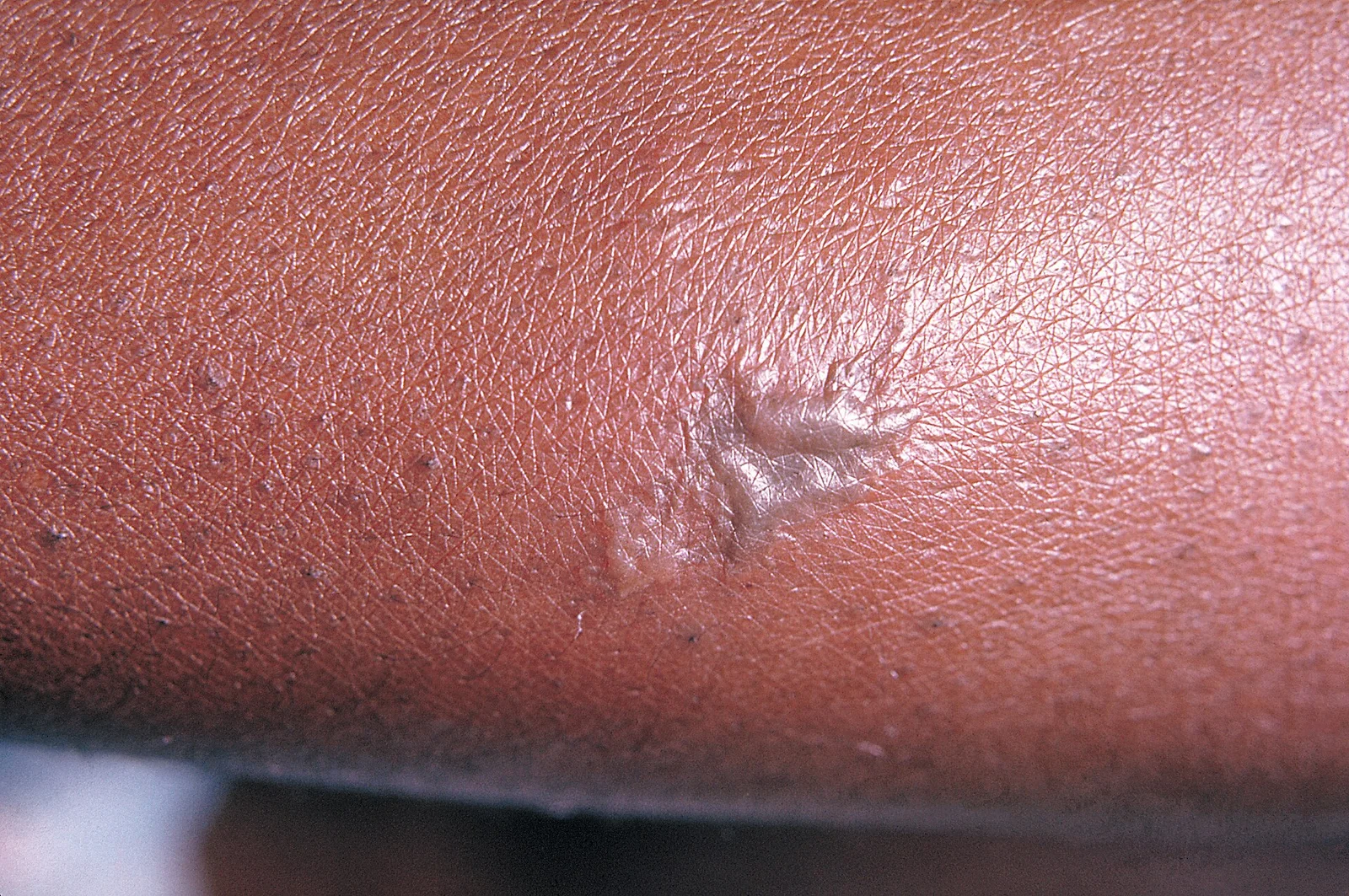
Long description
Close-up clinical photograph of a gonococcal skin lesion on a patient's arm showing a grey pustule in disseminated gonococcal infection.

Figure 2Mucopurelent discharge
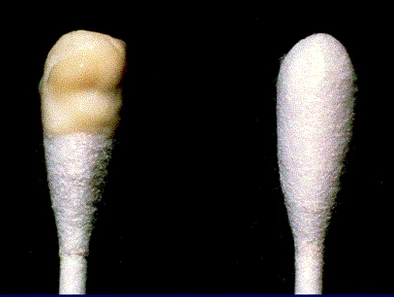
Long description
Clinical photograph of mucopurulent cervical discharge from a CDC sexually transmitted infection diagnostic slide.

Purulent urethritis (men). After an incubation period that is typically a few days, men develop dysuria and a thick, yellow-green urethral discharge; urethral tenderness on stripping and meatal redness are common. Some men have only mild symptoms and a few have none.
Cervicitis (women). Women may have vaginal discharge, vaginal pruritus, abnormal vaginal bleeding, lower abdominal pain, or dyspareunia; many have nothing noticeable, which is why screening is critical.
Pharyngeal infection. Usually asymptomatic; when symptomatic there may be sore throat, pharyngeal exudate, or cervical lymphadenopathy.
Rectal infection. Anorectal discharge, rectal bleeding, tenesmus, or pain; often asymptomatic, especially in women (cervical secretions spilling into the rectum) and in men who have sex with men.
Pelvic inflammatory disease. Lower abdominal or pelvic pain, deep dyspareunia, abnormal bleeding, fever, and adnexal tenderness on examination.
Epididymitis. Unilateral scrotal pain and swelling, often in younger sexually active men; N. gonorrhoeae is a leading sexually transmitted cause in this group, and the infection can ascend from the urethra. Complications and fertility implications follow if untreated.
Disseminated gonococcal infection (DGI). Petechial or pustular acral skin lesions, asymmetric polyarthralgias, tenosynovitis of wrists or fingers, and oligoarticular septic arthritis. Joint pain is often mild early and worsens; fever may be low-grade or absent. Rarer complications include perihepatitis, endocarditis, and meningitis. [1]
Gonococcal conjunctivitis in adults follows autoinoculation and presents with hyperaemic, purulent, often profuse discharge that can threaten the cornea.
Neonatal disease. Neonates acquire infection during delivery through an infected cervix. It is usually an acute illness manifesting 2 to 5 days after birth. [2] The most severe manifestations are ophthalmia neonatorum and sepsis (which can include arthritis and meningitis); less severe forms include rhinitis, vaginitis, urethritis, and scalp abscesses at sites of fetal monitoring. [2]
Gonorrhoea is distinguished clinically from several look-alikes.
| Condition | Features that help separate it |
|---|---|
| Chlamydial urethritis or cervicitis | Overlaps heavily; both can be present, so NAAT is required |
| Non-gonococcal infection | Mycoplasma genitalium, Trichomonas vaginalis, and others; the Gram stain is negative for intracellular Gram-negative diplococci |
| Bacterial vaginosis, trichomoniasis | Vaginal discharge with pH changes, odour, or motile organisms on wet mount |
| Other causes of pelvic pain | Appendicitis, ectopic pregnancy, ruptured ovarian cyst; pregnancy testing and imaging may be needed |
| Viral pharyngitis | Usually cough, sore throat, and congestion; no purulent discharge |
| Other causes of acute arthritis | Gout, septic arthritis, reactive arthritis; culture and NAAT distinguish gonococcal infection |
NAAT (nucleic acid amplification test). This is the first-line test for detecting N. gonorrhoeae at urogenital and extragenital sites. NAAT sensitivity at urogenital and non-genital anatomic sites is superior to culture, although it varies by test type. [1] Optimal specimens are first-void urine in men and vaginal swabs in women; urine, vaginal, rectal, and pharyngeal swabs may be collected by patients after instruction. [1] NAATs and point-of-care NAATs allow the widest variety of cleared specimen types, including endocervical and vaginal swabs and urine for women, urethral swabs and urine for men, and rectal and pharyngeal swabs for men and women; collection methods vary by manufacturer, so the product insert should be checked carefully. [1] Patient-collected samples are reasonable alternatives to provider-collected swabs for gonorrhoea screening by NAAT when patients have been given clear instructions. [1] NAAT cannot provide antimicrobial susceptibility results, so it cannot stand alone when resistance is suspected.
Culture with antimicrobial susceptibility testing. Culture is required before treatment in suspected or documented treatment failure, because only culture yields isolates for susceptibility testing. [1] Culture uses endocervical swabs in women, urethral swabs in men, and is available for rectal, oropharyngeal, and conjunctival sites. N. gonorrhoeae is fastidious: optimal recovery needs direct inoculation onto growth medium and prompt incubation in raised carbon dioxide. [1] GISP (the Gonococcal Isolate Surveillance Project) monitors susceptibility patterns across the United States and is the basis for treatment recommendations. [1]
Gram stain. Because of its high specificity (greater than 99%) and sensitivity (greater than 95%), a Gram stain of urethral discharge or secretions showing polymorphonuclear leucocytes with intracellular Gram-negative diplococci can be considered diagnostic in symptomatic men. [1] A negative Gram stain does not rule out infection in asymptomatic men, and Gram stain of endocervical, pharyngeal, and rectal specimens is insensitive and not recommended. [1] A methylene blue or gentian violet stain of urethral secretions is an alternative point-of-care test with similar performance. [1] Gonococcal infection in symptomatic men is diagnosed by documenting leucocyte-containing intracellular purple diplococci on the smear. [1]
Gram stain of conjunctival exudate in a newborn similarly gives a presumptive diagnosis when intracellular Gram-negative diplococci are seen. [2]
Other. All patients diagnosed with gonorrhoea should be tested for other sexually transmitted infections, including chlamydia, syphilis, and HIV. [1]
There is no formal severity score for gonorrhoea. A case is established by detection of N. gonorrhoeae at an exposed site on NAAT or culture, or presumptively by Gram stain in symptomatic men. The crucial clinical question is uncomplicated versus disseminated disease: fever, rash, tenosynovitis, joint swelling, or a generally unwell patient should trigger assessment for DGI.
Suspected treatment failure should be considered when symptoms do not resolve within 3 to 5 days after recommended treatment with no sexual contact during follow-up, or when a test of cure is positive in the absence of sexual contact. [1] Most apparent failures are reinfections rather than true treatment failure. [1]
Approach to suspected gonorrhoea (teaching algorithm)
- Patient with suspected STI exposure or urogenital, pharyngeal, or rectal symptoms
- Take history and examine; sample all exposed sites
- Question: Is there evidence of dissemination (fever, rash, tenosynovitis, septic arthritis)?
Yes: suspect DGI
- Hospitalise; consult infectious disease
- NAAT and culture from all sites; treat with ceftriaxone 1 g every 24 h; treat chlamydia if not excluded
No: uncomplicated disease
- Question: Diagnostic test result?
NAAT or Gram stain positive
- Treat on site and observe: ceftriaxone 500 mg IM once (1 g at 150 kg or more)
- Add doxycycline 100 mg twice daily for 7 days if chlamydia not excluded
- Abstain for 7 days; refer partners; reassess if no improvement
Negative with ongoing symptoms
- Consider NAAT at all exposed sites, culture, and other organisms
Provide medication on site and directly observe treatment where possible. [1] Advise abstinence from sexual activity for 7 days after treatment and until all sex partners are treated, with resolution of symptoms if present. [1]
For uncomplicated gonococcal infection of the cervix, urethra, or rectum among adults and adolescents:
-
Ceftriaxone 500 mg intramuscularly as a single dose for persons weighing less than 150 kg; 1 g for persons weighing 150 kg or more. [1]
-
If chlamydial infection has not been excluded, treat for chlamydia with doxycycline 100 mg orally twice daily for 7 days. [1]
Although a single 250 mg injection of ceftriaxone cured greater than 99% (95% confidence interval 97.6% to 99.7%) of anogenital gonorrhoea of circulating isolates, the higher dose is recommended now because of isolates with elevated MICs and longer time above MIC needed in the pharynx. [1]
For uncomplicated pharyngeal gonorrhoea the recommended regimen is the same single dose of ceftriaxone, 500 mg intramuscularly (1 g at 150 kg or more). [1] If chlamydial infection is identified when pharyngeal testing is performed, treat for chlamydia with doxycycline 100 mg orally twice daily for 7 days. [1] No reliable alternative regimens exist for pharyngeal infection; for severe ceftriaxone allergy, consult an infectious disease specialist. [1]
- If cephalosporin allergy: gentamicin 240 mg intramuscularly as a single dose plus azithromycin 2 g orally as a single dose. [1]
- If ceftriaxone administration is unavailable or not feasible: cefixime 800 mg orally as a single dose. [1]
- HIV infection does not change the regimen. [1]
Where ceftriaxone cannot be given, cefixime is an oral alternative but it does not produce the blood levels of a 500 mg intramuscular dose and has limited efficacy for pharyngeal gonorrhoea (92.3% cure; 95% confidence interval 74.9% to 99.1%). [1] [3]
Ceftriaxone 1 g intramuscularly as a single dose; consider one-time lavage of the infected eye with saline. [1]
Hospitalisation and consultation with an infectious disease specialist are recommended for initial therapy, especially for non-adherent patients, an uncertain diagnosis, or purulent effusions. [1] Examine for endocarditis and meningitis.
- Arthritis and arthritis-dermatitis syndrome: ceftriaxone 1 g intramuscularly or intravenously every 24 hours; or cefotaxime 1 g intravenously every 8 hours; or ceftizoxime 1 g every 8 hours. [1] If chlamydia not excluded, add doxycycline 100 mg orally twice daily for 7 days. [1] Once there has been substantial clinical improvement for 24 to 48 hours, switch to an oral agent guided by susceptibility testing, completing at least 7 days in total. [1]
- Meningitis and endocarditis: ceftriaxone 1 to 2 g intravenously every 12 to 24 hours (plus doxycycline if chlamydia not excluded). [1] Parenteral therapy for meningitis should continue for 10 to 14 days, and for endocarditis for more than 4 weeks. [1]
- Suspected gonococcal perihepatitis is managed as PID. [1]
Pregnant women infected with N. gonorrhoeae should be treated with ceftriaxone 500 mg as a single intramuscular dose, plus treatment for chlamydia if infection has not been excluded. [1] Gentamicin should be used cautiously in pregnancy because of risk of neonatal birth defects, nephrotoxicity, or ototoxicity. [1] Pregnant women should be retested appropriately during follow-up.
Ophthalmia neonatorum is prevented principally by prenatal screening and treatment of infected women; ocular prophylaxis with erythromycin 0.5% ophthalmic ointment in each eye as a single application at birth is recommended for all newborns, ideally within 24 hours. [2] Erythromycin is the only ophthalmic ointment recommended; silver nitrate and tetracycline ointments are no longer made in the United States. [2] If erythromycin is unavailable, at-risk infants can be given ceftriaxone 25 to 50 mg per kg body weight intravenously or intramuscularly, not exceeding 250 mg in a single dose. [2]
Treatment of gonococcal ophthalmia neonatorum is ceftriaxone 25 to 50 mg per kg body weight intravenously or intramuscularly as a single dose, not exceeding 250 mg. [2] One dose is adequate. [2] Ceftriaxone should be used cautiously in neonates with hyperbilirubinaemia, especially premature infants; cefotaxime 100 mg per kg as a single dose can be used when ceftriaxone is not possible because of simultaneous intravenous calcium. [2] Topical antibiotics alone are inadequate. [2] Chlamydial testing should be done at the same time, and the newborn assessed for disseminated infection (sepsis, arthritis, meningitis) under infectious disease specialist care. [2]
Disseminated infection in neonates is treated with ceftriaxone 25 to 50 mg per kg body weight per day intravenously or intramuscularly as a single daily dose for 7 days, extended to 10 to 14 days if meningitis is documented; alternatively cefotaxime 25 mg per kg intravenously or intramuscularly every 12 hours for 7 days, extended similarly. [2] Neonates born to mothers with untreated gonorrhoea are at high risk and should be tested at all exposed sites (conjunctiva, vagina, rectum, oropharynx) and treated presumptively. [2] Neonates without signs of infection are given ceftriaxone 25 to 50 mg per kg body weight intravenously or intramuscularly in a single dose, not exceeding 250 mg. [2]
A test of cure is unnecessary for uncomplicated urogenital or rectal gonorrhoea treated with any recommended or alternative regimen. [1] Any person with pharyngeal gonorrhoea should return 7 to 14 days after treatment for a test of cure by culture or NAAT. [1] All treated patients should be retested 3 months later, regardless of whether partners were treated. [1] Persistent symptoms are evaluated with culture (with or without simultaneous NAAT) and susceptibility testing. [1]
Recent sex partners (sexual contact within 60 days before onset of symptoms or diagnosis) should be referred for evaluation, testing, and presumptive treatment. [1] If the last potential exposure was more than 60 days earlier, the most recent sex partner should still be treated. [1]
Expedited partner therapy supports delivery of medication to the partner by the patient or a collaborating pharmacy where local law permits, accompanied by written educational material. [1] The partner should be treated with cefixime 800 mg as a single oral dose if concurrent chlamydial infection has been excluded. [1] If chlamydia has not been documented, the partner may receive cefixime 800 mg as a single dose plus doxycycline 100 mg orally twice daily for 7 days. [1] Where multiday dosing is unlikely, azithromycin 1 g can be considered, but it is less effective for rectal chlamydia. [1] For MSM, shared decision-making about expedited partner therapy is recommended because partner co-infection, including HIV, is common and evidence of effectiveness is limited in this group. [1] Partners should abstain from condomless intercourse for 7 days after both they and the patient have completed treatment and symptoms have resolved. [1]
Mothers of neonates with gonococcal ophthalmia, DGI, or scalp abscesses, and their sex partners, should be evaluated, tested, and presumptively treated for gonorrhoea. [2]
Retreat initially with the same regimen (ceftriaxone 500 mg intramuscularly), adding doxycycline if chlamydial infection exists, because reinfection is more likely than true failure. [1] If failure rather than reinfection is more likely, collect specimens for culture with susceptibility testing before retreatment. [1] Dual therapy with gentamicin 240 mg intramuscularly plus azithromycin 2 g orally can be considered, particularly with isolates showing elevated cephalosporin MICs. [1] Cephalosporin treatment failure and decreased susceptibility should be reported to public health authorities within 24 hours, with isolates forwarded for testing. [1]
Figure 3Perihepatic adhesions
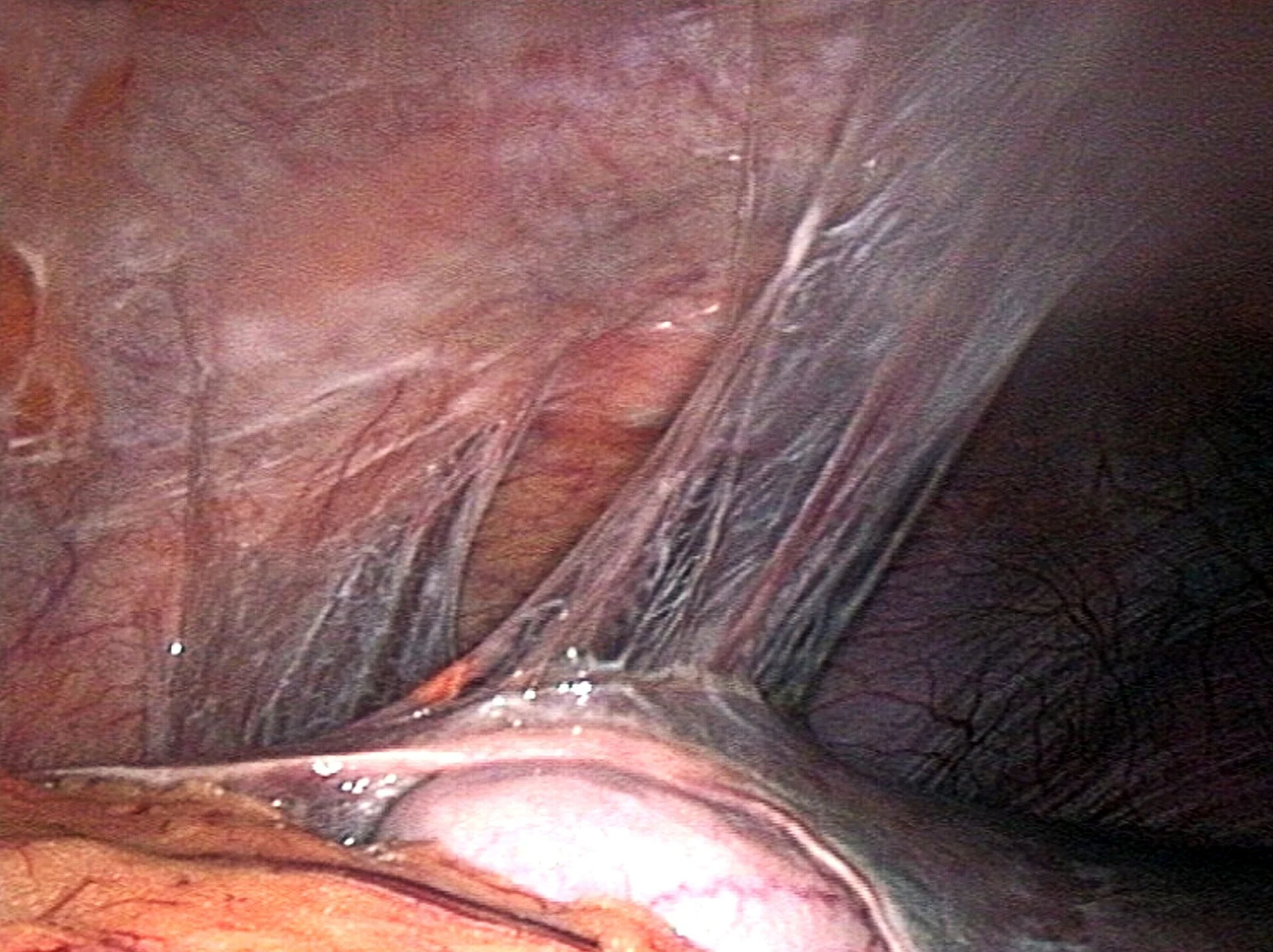
Long description
Laparoscopic view of perihepatic adhesions following a chlamydia infection.

- Pelvic inflammatory disease, leading to tubal scarring, infertility, and ectopic pregnancy.
- Epididymitis and scrotal complications in men.
- Disseminated gonococcal infection with dermatitis, tenosynovitis, septic arthritis; rarely endocarditis, meningitis, osteomyelitis, and perihepatitis.
- Blindness from untreated adult or neonatal gonococcal conjunctivitis.
- Antimicrobial resistance: fluoroquinolones are no longer recommended in the United States. [1] Surveillance shows reduced azithromycin susceptibility (5.1% of GISP isolates at MIC 2.0 microg per mL or higher in 2019). [1] Isolates with cefixime or ceftriaxone MIC 0.5 microg per mL or higher are considered to have decreased susceptibility; in 2019 fewer than 0.1% of GISP isolates showed decreased susceptibility to either agent. [1] Combined with microbiome and stewardship concerns, these resistance trends are why current US guidance recommends ceftriaxone monotherapy rather than routine dual therapy. [1] [3]
- Reinfection, particularly where partners are untreated.
Uncomplicated gonorrhoea treated with recommended regimens is cured; reported cure rates for ceftriaxone against anogenital disease are greater than 99% for sensitive circulating isolates. [1] DGI requires hospital-level care but responds to parenteral cephalosporins. Outcomes deteriorate when diagnosis or treatment is delayed, especially for PID in women and for neonatal eye disease. Reinfection is common and is largely a failure of partner treatment or new exposure, which is why retesting at 3 months is recommended. [1]
Prevention combines barrier protection with early detection. Screening priorities were set out above: sexually active women under 25 years; older women at increased risk; MSM at high risk at all exposed sites every 3 to 6 months, and at least annually for all MSM. [1] People who test positive for gonorrhoea should also be considered for HIV pre-exposure prophylaxis where HIV risk exists. [1]
Pregnancy. Screen pregnant women at risk at the first prenatal visit, including women under 25 and those at increased risk, and test at delivery for women not tested earlier. [2] Treat infected women with ceftriaxone as above and arrange retesting. [1][2]
Older adults and immunocompromised people. Expect more severe or atypical disease; apply the same regimens with a lower threshold for testing, culture, and referral. People receiving complement-inhibiting therapy are at higher risk of dissemination. [1]
HIV infection. Same treatment regimen as for people without HIV. [1]
Much gonorrhoea care can be delivered without advanced tests, but several principles apply.
- Diagnosis remains microbiological where possible. NAATs are preferred, but culture and Gram stain have real roles, and Gram stain of urethral discharge can confirm the diagnosis in symptomatic men with greater than 99% specificity. [1]
- Treatment must be adapted. WHO guidance differs from US guidance. Current WHO guidelines published in 2016 recommend for genital and anorectal gonococcal infection the combination of ceftriaxone 250 mg intramuscularly or cefixime 400 mg orally with azithromycin 1 g orally, with monotherapy (ceftriaxone, cefixime, or spectinomycin) only when local surveillance shows susceptibility. [3][4] Monotherapy with cefixime or spectinomycin is not recommended for pharyngeal infection. [3] Other jurisdictions use different doses: for example, UK guidance uses ceftriaxone 1 g intramuscularly, European guidance uses ceftriaxone 1 g with azithromycin 2 g, and Australian guidance uses ceftriaxone 500 mg with azithromycin 1 g. [3] Always follow local resistance data, formularies, and national guidelines.
- Always consider chlamydia coinfection and provide doxycycline where chlamydia has not been excluded, because coinfection is common.
- Partner treatment, often delivered as syndromic or presumptive treatment, is critical to prevent reinfection; in settings without culture, the same antimicrobials are usually used.
- Neonatal prophylaxis. Where erythromycin ointment is unavailable, at-risk newborns can receive ceftriaxone as above; prenatal screening and treatment of mothers remains the foundation. [2]
- Monitor resistance. Even simple sentinel culture and susceptibility programs should be encouraged where possible, because guideline doses change as MICs rise.
World Health Organization
WHO guidance on gonorrhoea emphasises dual therapy where resistance surveillance is not available and adaptation to local antimicrobial susceptibility data. The WHO 2016 recommendations are set out above; they remain the principal global reference alongside newer national guidelines such as the CDC 2021 version. [4] [1]
- Gonorrhoea is caused by Neisseria gonorrhoeae, an obligate human pathogen with no vaccine; reinfection is common.
- It produces purulent urethritis in men, often-silent infection in women, and usually asymptomatic pharyngeal and rectal infection.
- An estimated 82.4 million new cases occur each year worldwide among adolescents and adults aged 15 to 49 years. [3]
- In the United States about 1.568 million new infections occur each year; gonorrhoea is the second most commonly reported bacterial communicable disease. [1]
- Urogenital infection is asymptomatic in most women (86.4% to 92.6%) and in many men; pharyngeal infection is asymptomatic in roughly 92% of MSM tested. [3]
- Diagnosis rests on NAAT; culture is needed for antimicrobial susceptibility testing; Gram stain can confirm the diagnosis in symptomatic men with greater than 99% specificity. [1]
- First-line treatment of uncomplicated cervical, urethral, or rectal disease is ceftriaxone 500 mg intramuscularly once, with a 1 g dose for people weighing 150 kg or more. [1]
- If chlamydia has not been excluded, give doxycycline 100 mg orally twice daily for 7 days alongside. [1]
- Pharyngeal gonorrhoea uses the same single ceftriaxone dose; test of cure is needed only for pharyngeal infection. [1]
- DGI presents with dermatitis, tenosynovitis, and septic arthritis and is treated with ceftriaxone 1 g intramuscularly or intravenously every 24 hours, completing at least 7 days. [1]
- Neonatal ophthalmia is treated with ceftriaxone 25 to 50 mg per kg once (maximum 250 mg), plus simultaneous chlamydial testing. [2]
- Partner management within 60 days, clear abstinence advice, and 3-month retesting are essential.
- Low-resource practice follows local resistance data; WHO 2016 recommends dual therapy of ceftriaxone 250 mg with azithromycin 1 g. [3][4]
Answer each one in your head first, then open the answer.
A 22-year-old woman has mild vaginal discharge and pelvic pain. NAAT is positive for N. gonorrhoeae and chlamydia has not yet been excluded. What is her treatment?
Show answerHide answer
Ceftriaxone 500 mg intramuscularly as a single dose, plus doxycycline 100 mg orally twice daily for 7 days because chlamydial infection has not been excluded; test of cure is unnecessary for uncomplicated urogenital infection unless symptoms persist.
A male patient with urethritis has a Gram stain showing polymorphonuclear leucocytes with intracellular Gram-negative diplococci. A NAAT is positive. Which statement about the stain is correct?
Show answerHide answer
In symptomatic men the Gram stain is highly specific (greater than 99%) and sensitive (greater than 95%) for gonorrhoea, so it can be considered diagnostic, but in asymptomatic men a negative stain does not exclude infection.
A patient with known ceftriaxone allergy needs treatment for uncomplicated anogenital gonorrhoea. What alternative regimen is recommended, and what is a limitation?
Show answerHide answer
Gentamicin 240 mg intramuscularly as a single dose plus azithromycin 2 g orally as a single dose; this was shown to cure 100% in one trial, but gastrointestinal adverse effects, especially vomiting within an hour, occurred in a few patients and required retreatment.
A 28-year-old man returns 10 days after treatment for confirmed gonorrhoea with persisting penile discharge and no sexual contact since treatment. What is your next step?
Show answerHide answer
Take specimens for culture with antimicrobial susceptibility testing, consider NAAT, assess for chlamydial or other causes of persistent urethritis, and report suspected cephalosporin treatment failure to public health authorities within 24 hours if cultures support resistance.
Which newborns need presumptive treatment, and what single dose of ceftriaxone is given to a 3 kg neonate with gonococcal ophthalmia?
Show answerHide answer
Neonates born to mothers with untreated gonorrhoea are at high risk and should be tested at all exposed sites and treated presumptively. A 3 kg neonate receives ceftriaxone 25 to 50 mg per kg in a single dose (up to 150 mg for 3 kg, not exceeding the 250 mg maximum), with chlamydial testing at the same time.
A 35-year-old woman presents with joint pain in both wrists, finger tenosynovitis, and a few pustules on her fingers. She is generally unwell. What diagnosis and management are appropriate?
Show answerHide answer
Disseminated gonococcal infection is likely: hospitalise, consult infectious disease, search for mucosal infection with NAAT and culture, and treat with ceftriaxone 1 g every 24 hours (intramuscular or intravenous) plus doxycycline for chlamydia, switching to an oral agent after 24 to 48 hours of improvement and completing at least 7 days.
Pelvic inflammatory disease; infertility and ectopic pregnancy; epididymo-orchitis; chlamydial infection and coinfection management; syphilis; HIV and pre-exposure prophylaxis; sexually transmitted infection screening; antimicrobial resistance and antibiotic stewardship; neonatal conjunctivitis and ophthalmia neonatorum.
- Centers for Disease Control and Prevention. Sexually transmitted infections treatment guidelines, 2021: gonococcal infections among adolescents and adults. Sex Transm Dis. 2021 (online, last reviewed September 2022); gonococcal infections among adolescents and adults. Accessed .
- Centers for Disease Control and Prevention. Sexually transmitted infections treatment guidelines, 2021: gonococcal infections among neonates. Sex Transm Dis. 2021 (online, last reviewed September 2022); gonococcal infections among neonates. Accessed .
- Allen GP, Morrill HL. Safety aspects and rational use of single intramuscular dose ceftriaxone: clinical insights on the management of uncomplicated gonococcal infections. Drug Healthc Patient Saf. 2023;15:159-170. doi:10.2147/DHPS.S350763. Accessed .
- World Health Organization. WHO guidelines for the treatment of Neisseria gonorrhoeae. WHO, Geneva; 2016. https://iris.who.int/handle/10665/246114. Accessed .
Figure credits
- Figure 1: This media comes from the Centers for Disease Control and Prevention's Public Health Image Library (PHIL), with identification number #2038. Note: Not all PHIL images are public domain; be sure to check copyright status and credit authors and content providers. العربية / Deutsch / English / македонски / slovenščina / +/−, via Wikimedia Commons, Public domain, Public domain. resized.
- Figure 2: Claire E Stevens and Ronald E Roddy, via Wikimedia Commons, Public domain, Public domain.
- Figure 3: Hic et nunc, via Wikimedia Commons, Public domain, Public domain. resized.
Educational content for medical students and doctors. It is not a substitute for clinical judgement or local guidelines.