Carpal tunnel syndrome and entrapment neuropathies
Carpal tunnel syndrome and other entrapment neuropathies: risk factors, tests, guideline-based management and differentials.
- An entrapment neuropathy is a focal compression of a single peripheral nerve, most often at a fixed anatomical site, producing sensory loss, pain or weakness in that nerve's territory and leaving the rest of the nervous system untouched.
- Carpal tunnel syndrome, compression of the median nerve under the transverse carpal ligament at the wrist, is the commonest of these by a wide margin; cubital tunnel, tarsal tunnel and meralgia paraesthetica are the other three a student meets most often.
- The diagnosis is usually clinical. Provocative tests such as Tinel and Phalen suggest but do not confirm it, and electrodiagnostic studies and ultrasound are reserved for uncertain cases or when surgery is planned.
- Most cases are managed conservatively: splinting, activity change, treating the underlying cause, and, for short-term relief, a local corticosteroid injection. Surgery (release) is for progressive or permanent motor loss, or failure of a fair trial of conservative care.
- Entrapment often signals an underlying predisposition (diabetes, hypothyroidism, pregnancy, obesity) and, in meralgia paraesthetica, is self-limiting in about 91% of patients.
By the end of this page you should be able to:
- Define an entrapment neuropathy and name the nerve and site of compression in carpal tunnel, cubital tunnel, tarsal tunnel and meralgia paraesthetica.
- Recognise the typical history and examination findings of each, including the distribution of numbness and the late signs of motor loss.
- Elicit and interpret Tinel and Phalen tests, and state the conditions under which electrodiagnostic studies or ultrasound add useful information.
- Choose a first-line management plan for carpal tunnel syndrome and each of the other entrapments, and say when referral for release is appropriate.
- Name the AAOS, NICE CKS and AAN/AANEM recommendations that direct modern carpal tunnel care, including the role of CTS-6 and corticosteroid injection.
- Tell carpal tunnel syndrome apart from cervical radiculopathy, polyneuropathy, arthritis and other hand and leg conditions (table).
An entrapment neuropathy is a focal mononeuropathy: injury to a single peripheral nerve at a site where it passes through a fibro-osseous tunnel, under a ligament or fascial band, or across a bony prominence. Entrapment is distinct from a nerve transection, a radiculopathy (nerve root) or a plexopathy, and it is the commonest focal nerve lesion in civilian practice. Carpal tunnel syndrome is the entrapment of the median nerve under the transverse carpal ligament; cubital tunnel syndrome is entrapment of the ulnar nerve at the elbow, usually beneath the humeroulnar (cubital tunnel) retinaculum known as Osborne's band; tarsal tunnel syndrome is compression of the posterior tibial nerve in the fibro-osseous tarsal tunnel behind the medial malleolus; and meralgia paraesthetica is compression of the purely sensory lateral femoral cutaneous nerve, usually as it passes under or through the inguinal ligament near the anterior superior iliac spine. A focal neuropathy of this kind leaves motor and sensory function in other nerves, and in the corresponding dermatomes and myotomes, intact.
Entrapment neuropathies grade in the same way as other peripheral nerve injuries. Neurapraxia (demyelination with an intact axon) gives focal conduction block and usually recovers in days to weeks; axonotmesis (axonal loss within an intact endoneurial tube) recovers slowly, over many months; neurotmesis (disruption of the whole nerve trunk) does not recover without surgery. Most patients seen in primary care have neurapraxic or mildly axonal compression. Clinically, carpal tunnel syndrome is often graded mild, moderate or severe by the combination of symptoms, examination findings and electrodiagnostic results; a practical weekly summary is that the presence, distribution and duration of numbness, the strength of thumb abduction and opposition, and whether thenar atrophy or abnormal nerve conduction has appeared, together describe how far the process has gone. For the deeper injury classes see the pedagogy of the peripheral nerve injuries topic. Cross-check Neurology peripheral nerve injuries.
Carpal tunnel syndrome is by far the commonest entrapment. The AAOS 2024 guideline notes that it is the most prevalent compressive neuropathy, with an incidence of 1 to 5% in the general population, that it is most common in adults aged 40 to 60 years, and that it is more prevalent in females than in males. From the older AAEM/AAN/AAPM&R practice parameter, earlier population studies estimated a prevalence of 88 per 100,000 in Rochester, Minnesota in 1961 to 1965 and 125 per 100,000 in 1976 to 1980, with 51 cases per 100,000 in Santa Clara County, California in 1988, of which 47% were work related. [3] A systematic review in the family medicine literature (Silver 2021) gives a prevalence of 3% in the general population and 15% in the workforce. [4] Carpal tunnel syndrome accounts for the greatest median number of days away from work due to injuries or illness and, in the Medicare population in the United States, for an estimated 2.7 to 4.8 billion US dollars of annual cost. [1]
Cubital tunnel syndrome is the next most common: one United States metropolitan area reported a prevalence of 1.8 to 5.9% (Silver 2021) [4], and overall it is the second most common upper limb entrapment. Tarsal tunnel syndrome is uncommon but probably underdiagnosed; Merck lists it among the overuse and structural entrapments of the foot. Meralgia paraesthetica is more common than often recognised, with an incidence of 4.2 to 32.6 per 100,000 patient-years; one Dutch study reported 4.3 and one United States study 32.6 per 100,000 patient-years, and Parisi found the incidence 7.5 times higher in patients with diabetes mellitus than in the general population. [5]
Carpal tunnel syndrome. The tunnel is narrowest at the hook of the hamate and the pisiform, and any increase in contents or decrease in space raises pressure; denervation follows the usual compression sequence of ischaemia, demyelination and then axonal loss. Established associations include female sex and the 40 to 60 age group, pregnancy, diabetes mellitus, hypothyroidism, rheumatoid arthritis and other causes of tissue oedema, and a small inherited carpal tunnel. The AAOS 2024 guideline addresses the question directly: in the absence of reliable evidence it is the opinion of the workgroup that there is no association between high keyboard or clerical work and carpal tunnel syndrome, reversing the earlier moderate evidence of the 2016 edition. Meralgia paraesthetica is reported to coexist with carpal tunnel syndrome in some patients. Pregnancy-related fluid retention probably explains much of the late-pregnancy carpal tunnel.
Cubital tunnel syndrome. Most cases arise without an obvious cause. Mechanical factors dominate: repeated or sustained elbow flexion, leaning on the elbow, direct trauma or prior fracture, an increased carrying angle, osteoarthritis of the elbow and subluxation of the ulnar nerve over the medial epicondyle during flexion. Baseball pitching, particularly sliders, is a specific occupational risk, presumably through medial elbow strain. Systemic risk factors include diabetes mellitus, rheumatoid arthritis and hypothyroidism, which predispose to entrapment generally.
Tarsal tunnel syndrome. Synovitis of the ankle flexor tendons from abnormal foot function, inflammatory arthritis (for example rheumatoid arthritis), fibrosis, ganglion cysts, foot deformity and venous stasis oedema all narrow the tunnel. Hypothyroidism may produce tarsal tunnel-like symptoms through perineural mucin deposition. Posterior tibial tendon dysfunction and ankle arthritis are common accompanying findings.
Meralgia paraesthetica. Mechanical causes are the commonest: obesity (mean body mass index 30.1 kg per square metre in affected patients versus 27.3 in the normal population), pregnancy (14.5% of patients in one study had previously been pregnant), tight clothing, belts and corsets, abdominal distension from ascites or masses, leg length discrepancy and pubic symphysis degeneration. Metabolic causes include diabetes mellitus (patients are twice as likely to have diabetes as matched controls, and the incidence is 7.5 times higher in diabetics), alcohol misuse and lead poisoning. Iatrogenic causes are frequent in hospital practice: gynaecological oncology surgery with self-retaining retractors, lower segment caesarean section, prone positioning on a Jackson or Relton-Hall spinal frame or in intensive care, pelvic osteotomy, laparoscopic surgery, inguinal hernia repair, coronary bypass and gastric reduction. These are usually preventable with careful padding and hip positioning. The condition is most common in those aged 41 to 60 years, with a slight male predominance, and is bilateral in about one in five cases. [5]
In every entrapment the sequence is similar: compression of the vasa nervorum produces mild nerve ischaemia; focal demyelination follows with conduction block at the compression site; if compression persists, axonal degeneration occurs; and, finally, fibrosis within and around the nerve limits recovery. How long compression must be present before it produces permanent conduction loss or fibrosis is not well defined. The severity of carpal tunnel syndrome depends on how far along this sequence the patient has progressed: mild disease is intermittent demyelination with normal or near-normal conduction, while severe disease adds axonal loss, denervation on electromyography and, clinically, muscle wasting and fixed sensory change. Cubital tunnel, tarsal tunnel and meralgia paraesthetica follow the same ischaemia-demyelination-axon loss-fibrosis sequence. Meralgia paraesthetica is a pure sensory mononeuropathy, so its mechanism is confined to the sensory fibres of the lateral femoral cutaneous nerve: anaesthesia, paraesthesia and dysaesthesia, but never weakness.
The history is usually unmistakable once it is heard properly. Patients describe intermittent numbness and paraesthesia in the thumb, index, middle and the radial half of the ring finger, often worse at night, waking them from sleep, and worse with grip or with the wrist held flexed. Shaking the hand (the flick sign) relieves it. Weak grip follows, and in long-standing disease there is wasting of the thenar eminence, most easily seen as flattening of the normal bulge at the base of the thumb. Pain radiates into the forearm and, occasionally, the shoulder.
On examination the sensory deficit is confined to the median nerve territory distal to the wrist, with sparing of the skin over the thenar eminence (palmar cutaneous branch). Weakness appears first as poor abduction and opposition of the thumb (abductor pollicis brevis), and thenar atrophy is a late sign. Provocative tests are commonly used: Tinel sign (tapping over the carpal tunnel produces tingling in the median distribution), Phalen test (sustained wrist flexion reproduces the symptoms), and the carpal tunnel compression test (inflating a blood pressure cuff or direct pressure over the tunnel). None of these is diagnostic alone: Tinel sensitivity is reported at 38 to 100% and specificity at 54 to 98%, while Phalen sensitivity is 42 to 85% and specificity 55 to 100%. A combination of positive findings increases the probability of the diagnosis. Electrodiagnostic confirmation is added when the diagnosis is uncertain or surgery is being considered. [4]
Numbness and tingling in the little and ring fingers and the ulnar border of the hand, worse with elbow flexion and with leaning on the elbow, are the usual complaints; night waking is common. As compression persists there is weakness of grip and of finger abduction and adduction, wasting of the hypothenar and interossei, and weakness of pinch between thumb and index finger. An ulnar claw hand (metacarpophalangeal extension with interphalangeal flexion of the ring and little fingers) is a late sign. Tinel sign at the cubital tunnel behind the medial epicondyle and the elbow flexion test (holding the elbow fully flexed with the wrist neutral for one minute) reproduce the symptoms. Anterior subluxation of the ulnar nerve during elbow flexion can produce similar symptoms with normal nerve conduction. The ulnar dorsal hand retains normal sensation in cubital tunnel syndrome but is affected in a more proximal (for example C8-T1 radicular) lesion, which is the key distinction from Guyon canal entrapment at the wrist, where the dorsal ulnar hand is spared and the motor branch may be selectively affected.
Pain, burning and tingling on the sole and toes (medial and lateral plantar distribution) that is worse on standing and walking and relieved by rest characterise the condition; it is often unilateral and may be mistaken for plantar fasciitis because heel pain is common. Tapping below the medial malleolus produces distal tingling (Tinel sign). Sensation on the dorsum of the foot and toes is normal. Retro-malleolar pain that worsens on standing, a possible Tinel sign, and the distribution are the practical clues. Neurological examination is normal in strength and reflexes, unless there is an alternative diagnosis.
This is a sensory mononeuropathy: dysaesthesia, numbness, burning and tingling on the anterolateral thigh, often with a patch of heightened or reduced sensation, without any weakness. Symptoms are provoked by standing, walking or hip extension and by tight clothing or belts; they may be bilateral in one in five cases. Because the clinical picture is variable and the anatomical course of the lateral femoral cutaneous nerve varies (the type B variant, superficial to sartorius and within the inguinal ligament, is the variant most often implicated), diagnosis is frequently delayed. Any motor loss or altered reflexes should make you think of femoral neuropathy, lumbar plexopathy or radiculopathy instead. The provocation test is pressure over the nerve just medial and below the anterior superior iliac spine reproducing symptoms, and ultrasound-guided local anaesthetic block confirms the diagnosis when it is doubtful.
Carpal tunnel syndrome must be distinguished from C6 and C7 radiculopathy (which give dermatomal symptoms and often neck pain), from polyneuropathy (symmetric and length dependent, often diabetic or nutritional), from de Quervain tenosynovitis and arthritis at the base of the thumb, and from tendon problems. Cubital tunnel syndrome is mimicked by C8-T1 radiculopathy, thoracic outlet syndrome, ulnar entrapment at the wrist (Guyon canal), and Pancoast tumour. Tarsal tunnel syndrome is mistaken for plantar fasciitis, Achilles tendinopathy, Morton neuroma and lumbar S1 radiculopathy. Meralgia paraesthetica is mistaken for lumbar radiculopathy, femoral neuropathy, hip joint disease and greater trochanteric pain syndrome. The table lists distinguishing features.
| Condition | Typical distribution and setting | What separates it |
|---|---|---|
| Carpal tunnel syndrome | Numbness of thumb, index, middle and radial half of ring, worse at night; relief by shaking hand | Median nerve distribution; thenar atrophy late; positive Tinel/Phalen; NCS slow across wrist |
| Cervical radiculopathy (C6-C7) | Dermatomal pain with neck symptoms; may include arm and shoulder | Neck movement reproduces pain; EMG shows paraspinal denervation; NCS of median nerve normal |
| Polyneuropathy | Symmetric glove-and-stocking numbness with depressed reflexes | Bilateral, length-dependent, often systemic; focal entrapment is asymmetric |
| De Quervain tenosynovitis | Pain at radial styloid, worse on thumb movement | No numbness; Finkelstein test positive; X-ray normal |
| Cubital tunnel syndrome | Ring and little fingers, worse on elbow flexion or leaning | Ulnar nerve at elbow; dorsal ulnar hand affected; Tinel at medial epicondyle; elbow flexion test positive |
| Thoracic outlet / C8-T1 radiculopathy | Arm and ulnar hand, with neck and shoulder features | Proximal deficits, positive Adson/Roos, imaging for rib or stenosis |
| Ulnar entrapment at wrist (Guyon canal) | Ulnar hand only, often associated with cycling or handlebar pressure | Dorsal ulnar hand spared; may follow hook of hamate fracture or ganglion |
| Tarsal tunnel syndrome | Sole and toes, burning worse on walking | Posterior tibial nerve behind medial malleolus; Tinel positive over tunnel; electrodiagnostic changes |
| Plantar fasciitis | Heel pain worse first step in morning | No numbness or tingling; medial plantar fascia tenderness; ultrasound of fascia |
| Morton neuroma | Forefoot pain between toes, clicking | Localised to one interdigital space; positive squeeze test |
| Meralgia paraesthetica | Anterolateral thigh, purely sensory | Lateral femoral cutaneous nerve under inguinal ligament; no weakness or reflex change; alters with posture and clothing |
| Lumbar radiculopathy / femoral neuropathy | Leg pain with back features, or motor loss in quadriceps | Neurological deficit or reflex change; imaging of spine and pelvis |
| Greater trochanteric pain syndrome | Lateral hip pain on lying or walking | Pain over trochanter, normal sensation; imaging of hip |
Figure 1Phalen's Maneuver
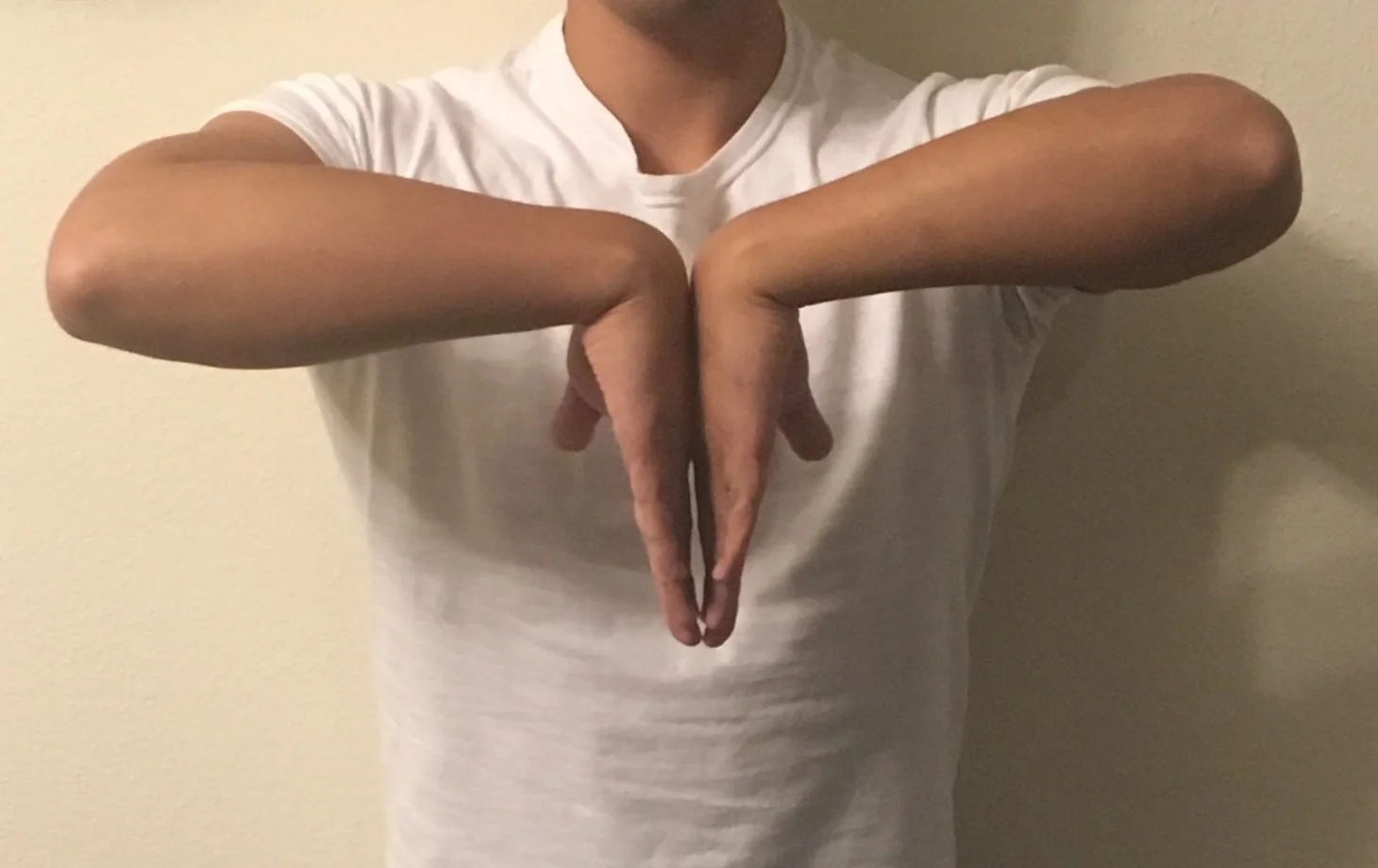
Long description
A photograph labelled 'Phalen's Maneuver' by its uploader, demonstrating the hand position named in the title.

The diagnosis is clinical first. Electrodiagnostic testing and ultrasound are most valuable before surgery or when the presentation is atypical. The table collects the cut-offs and accuracies that matter for carpal tunnel syndrome.
| Test | What it adds | Cut-off or accuracy |
|---|---|---|
| Clinical: CTS-6 | Six-item score (symptoms, disease history); validated bedside diagnostic / screening tool | AAOS 2024 strong recommendation: can be used to diagnose CTS in lieu of routine ultrasound or NCV/EMG; electrodiagnostic or ultrasound studies are used when the positive predictive value of CTS-6 is low, with continued suspicion of CTS or of neurological disease |
| Nerve conduction studies (sensory) | Confirms demyelination and localises the lesion to the carpal tunnel | Median sensory NCS across the wrist over 13 to 14 cm, or short 7 to 8 cm comparisons with ulnar or radial sensory nerves; AAEM/AAN/AAPM&R: median sensory and motor NCSs have sensitivity above 85% and specificity 95% for a clinical diagnosis of CTS; hand temperature maintained at 32 degrees C or above in the reviewed studies [3] |
| Motor nerve conduction | Measures distal motor latency and compound muscle action potential; documents axonal loss | Median motor NCS recording from thenar, with distal latency; supplementary second lumbrical/interosseous comparison or 1 cm incremental studies as options |
| Needle EMG | Evidence of denervation and guidance on prognosis and differential diagnosis | Optional; helpful to exclude cervical radiculopathy and to stage axonal loss |
| Ultrasound of the median nerve | Cross-sectional area, morphology, anatomic cause of compression, dynamic assessment | Cross-sectional area of the median nerve at the carpal tunnel inlet of 9 mm squared or more is 87.3% sensitive and 83.3% specific for carpal tunnel syndrome (AFP meta-analysis). Ultrasound location accuracy for the lateral femoral cutaneous nerve in meralgia paraesthetica is 80 to 84% with ultrasound versus 0 to 5.3% by anatomical landmark [4][5] |
| MRI | Tissue characterisation, surgical planning, space-occupying lesion | AAOS 2024 moderate recommendation: MRI and upper limb neurodynamic testing should not be used to diagnose carpal tunnel syndrome |
| Plain radiograph / CT | Fracture, arthritic change, hook of hamate lesion if suspected | Immediate in trauma; also when gout or bone abnormality is suspected |
| Blood tests | Underlying cause of neuropathy or systemic disease | Glucose, thyroid function, vitamin B12, rheumatoid factor where relevant; nobody is diagnosed with carpal tunnel by blood tests alone |
AAOS 2024 also classifies as limited evidence a range of modalities that are not superior to control or placebo for long-term outcome (therapeutic ultrasound, acupressure, heat, magnet, nutritional supplement, oral diuretic, oral NSAID or anticonvulsant, phonophoresis, oral corticosteroid, hyaluronic acid, hydrodissection, kinesiotaping, laser, peloid, manual therapy and others), so these should not be offered expecting long-term benefit.
Approach to suspected entrapment neuropathy of the upper limb (carpal tunnel as the prototype)
- History and (full) neurological examinationConfirm sensory and motor findings in the nerve's territory; document wasting
- Is another diagnosis more likely (radiculopathy, polyneuropathy, arthritis)?Rule out central, root, plexus and systemic causes
- Question: Are findings typical of carpal tunnel?
Yes
- Trial of conservative treatment for 3 months (splint, activity change, treat cause)Maximal benefit of conservative treatment is typically achieved around 3 months
- Question: Response?
Improves
- Continue measures and monitorReinforce ergonomics and underlying conditions
Persistent or recurrent
- Consider nerve conduction studies or ultrasoundBefore surgical referral
- Refer for carpal tunnel release if motor loss, atrophy or failed conservative careOpen and endoscopic releases give similar long-term outcomes; endoscopic recovery is about 8 days shorter
No / uncertain
- CTS-6 or electrodiagnostic testing and ultrasoundCTS-6 strong; imaging reserved for equivocal cases or anatomic suspicion
- Refer if motor loss, rapidly progressive deficits or uncertain diagnosis
Management of carpal tunnel syndrome [2]
Conservative (first line for mild to moderate disease). The aim is to reduce tunnel pressure and address any underlying predisposition. NICE CKS groups management into reassurance, optimising underlying conditions, lifestyle advice (avoid repetitive hand and wrist movements, workplace assessment where appropriate, driving safety), and a trial of conservative measures. Published consensus options are:
- Nocturnal splinting of the wrist in a neutral position: a Cochrane review summarised in the family medicine literature found nocturnal splinting more effective than placebo, with maximal benefit of conservative treatment usually achieved around 3 months.
- Activity modification, hand and tendon gliding exercises and physiotherapy as adjuncts.
- Corticosteroid injection for short-term symptomatic relief: the Cochrane review cited found improvement for up to one month and more recent studies up to 10 weeks, with delay of surgery for up to one year. NICE CKS describes a single corticosteroid injection with local anaesthetic as a conservative option, and AAOS 2024 carries a strong recommendation that corticosteroid injection does not provide long-term improvement in carpal tunnel syndrome. Injection should therefore be offered for symptom relief and never be presented as curative. Dose, volume and drug choice are specified by local formulary and operator.
- Oral analgesia as needed; the AAOS 2024 guideline found no long-term benefit from oral NSAIDs or anticonvulsants as disease-modifying treatment, though NSAIDs remain useful for analgesia.
Surgery (release of the transverse carpal ligament). Surgical decompression is superior to splinting alone for long-term symptom control and is indicated for moderate to severe nerve damage on electrodiagnostic testing, significant weakness, thenar atrophy, or failure of a fair trial (about 3 months) of conservative care. Open and endoscopic releases give similar long-term outcomes; endoscopic recovery is about 8 days shorter. Evidence-based perioperative recommendations from AAOS 2024 are: local anaesthesia alone can be used for release; there is no difference between a mini-open and an endoscopic release; postoperative supervised therapy should not be routinely prescribed; immobilisation with sling or orthosis should not be used after release; NSAIDs or acetaminophen should be used for postoperative pain, with tramadol rather than other opioids as a consensus option; routine preoperative testing (labs, chest X-ray, ECG) is not indicated; perioperative prophylactic antibiotics are not indicated; anticoagulation medication may be safely continued at limited-evidence level; and release may be safely performed in the office setting at limited-evidence level. Functional recovery generally proceeds over weeks, with grip strength expected to recover gradually. [4]
If the diagnosis is uncertain, referral is needed before release, because concomitant conditions such as diabetes, thyroid disease or rheumatoid disease frequently coexist and amyloidosis is a rare but important association (AAOS 2024 consensus option to send tenosynovium for pathological analysis when multiple amyloidosis risk factors are present). Cross-check Neurology peripheral nerve injuries.
Management of cubital tunnel syndrome [6]
Conservative treatment is first line. The Merck manual and the family medicine literature agree on the elements: activity modification; avoidance of prolonged or repeated elbow flexion and pressure on the medial elbow; elbow pads worn during the day; night splinting with the elbow extended at 45 degrees in a neutral forearm; physical therapy; and NSAIDs for analgesia. A steroid injection can be used as a diagnostic and therapeutic step. Maximal conservative benefit should be reviewed at 3 to 4 months.
Surgical decompression (with or without ulnar nerve transposition or medial epicondylectomy) is indicated when conservative treatment fails or there is motor loss or atrophy. A Cochrane review cited in the family medicine literature found surgical decompression and transposition to be equally effective. The operation is usually a day-case procedure. Postoperative outcome depends on the severity of compression: numbness often improves slowly, while muscle weakness may improve slowly or incompletely if longstanding. The alternative causes of hand dysfunction (cervical radiculopathy, thoracic outlet syndrome, Guyon canal entrapment) must be excluded before surgery.
Management of tarsal tunnel syndrome [7]
Conservative treatment comes first: footwear (neutral or slightly inverted foot position with heel elevation), bracing or orthotic that keeps the foot inverted to reduce nerve tension, NSAIDs for analgesia, weight management and physiotherapy. Local infiltration of the tarsal tunnel with an insoluble glucocorticoid and local anaesthetic mixture can help when inflammation or fibrosis is suspected. MRI is used to identify a space-occupying lesion (ganglion, tumour) that would need mechanical decompression. If pain, numbness or weakness persists despite a good trial of conservative care, or if there is progressive deficit, surgical decompression of the flexor retinaculum and exploration of the nerve is recommended. Electrodiagnostic studies are commonly false negative in tarsal tunnel syndrome, so a positive history, supportive physical findings and electrodiagnostic corroboration together make the diagnosis likely.
Because this condition resolves spontaneously in 91% of people managed conservatively, first-line treatment is reassurance, weight loss, avoidance of tight clothing, belts and corsets, physiotherapy and activity modification, with simple analgesics and, where needed, an antineuropathic medication (tricyclic antidepressants or other neuropathic pain agents per local guideline). Intervention is added if symptoms persist.
Ultrasound-guided injection of the lateral femoral cutaneous nerve with local anaesthetic and corticosteroid is the most common next step: a high-frequency transducer (7 to 14 MHz) is used, a 22-gauge needle is advanced in the longitudinal axis of the nerve, and a mixture such as 1 ml of levobupivacaine 0.5% with 40 mg of triamcinolone (total volume usually limited to 2 ml) is infiltrated until the mixture surrounds the nerve with a doughnut appearance. Success or improvement is reported in 83% of patients in the pooled evidence, and one meta-analysis found an 89% treatment success rate, with infiltration quicker, safer and less expensive than surgery. Ultrasound guidance locates the nerve in 80 to 84% of cases, compared with 0 to 5.3% for landmark technique. Other options in resistant cases include pulsed radiofrequency, radiofrequency ablation, peripheral or spinal neuromodulation; these are supported by small case series only and should be offered cautiously. Surgery (neurolysis at the inguinal ligament, or neurectomy) is reserved for refractory symptoms: pooled data report benefit in 264 of 300 patients (88%) after decompression and 45 of 48 (94%) after neurectomy, with 97% of iatrogenic cases recovering fully. Neurectomy carries the risk of permanent numbness and deafferentation pain, so neurolysis is usually attempted first. [5][8]
- Persistent or recurrent symptoms after conservative treatment, leading to functional impairment.
- Progressive thenar or intrinsic muscle wasting and irreversible weakness in neglected carpal or cubital tunnel syndrome.
- Infection, haematoma, or scar tenderness after release; incomplete relief if the diagnosis or level of compression was wrong.
- Recurrence or a new entrapment due to untreated predisposing factors such as hypothyroidism or weight gain.
- Chronic neuropathic pain and (after neurectomy) deafferentation pain or numbness.
- Complications of steroid injection (localized fat atrophy, tendon or nerve injury, systemic hyperglycaemia) when technique is poor.
Carpal tunnel syndrome: many patients respond well to a period of splinting and activity change, with maximal benefit usually seen by 3 months, and night splinting is more effective than placebo. Release is effective for moderate to severe and progressive disease; open and endoscopic techniques give similar long-term outcomes. Recovery of strength follows release but can take months. Cubital tunnel syndrome: mild to moderate disease has a good prognosis with splinting and activity change, but established motor loss may not fully recover. Tarsal tunnel syndrome improves when the cause (inflammation, deformity, ganglion) is identified and treated. Meralgia paraesthetica is self-limiting in 91% of conservatively managed patients; infiltration raises success rates to about 83%, and surgery benefits 88 to 94%. [5]
There is no screening blood test or population screening programme for entrapment neuropathies. Prevention rests on reducing mechanical stress and managing predisposing conditions: workplace ergonomics, avoidance of prolonged elbow flexion and pressure, appropriate tools and equipment, weight management, and good control of diabetes and hypothyroidism. The AAOS 2024 guideline states, on consensus grounds, that there is no association between high keyboarding or clerical work and carpal tunnel syndrome, reversing the moderate association claimed in the 2016 edition; this is a useful counselling point for patients and employers. In hospital practice, careful patient positioning and padding on operating tables and in intensive care reduce the risk of meralgia paraesthetica and of cubital and other compressions. Early recognition of the first symptoms, before fixed sensory change or muscle wasting, gives the best outcome.
Pregnancy. Entrapment is common in late pregnancy, carpal tunnel most often, and usually resolves after delivery. Management is conservative (splints, activity change, pregnancy-safe analgesia), with injection reserved for severe symptoms and release very rarely required. Meralgia paraesthetica is also associated with pregnancy. New symptoms in pregnancy are usually mild and self-limiting; progressive or bilateral motor deficit needs neurological assessment, as for any acute mononeuropathy.
Children. Carpal tunnel syndrome is unusual in children and, when it occurs, should prompt a search for an underlying connective tissue disorder, mucopolysaccharidosis or anatomic abnormality. Cubital tunnel syndrome is rare in childhood. Tarsal tunnel syndrome in a child may be associated with an accessory muscle or ganglion. Meralgia paraesthetica in children is almost always iatrogenic or positional. Management is conservative wherever possible, with close follow-up.
Older adults. Compression is more likely to have become axonal: thenar and intrinsic wasting are more prominent, electrodiagnostic abnormalities more frequent, and recovery after release slower and less complete. Rheumatoid arthritis, diabetes and hypothyroidism are more common and should be sought and treated; preoperative review of these improves surgical outcome.
Low-resource settingsDiagnostic reliance on history and examination is greatest where tests are unavailable. Tinel and Phalen tests are free and quick. A simple trial of nocturnal splinting and activity change costs little and is supported by evidence. Ultrasound, where available, separates a solid space-occupying lesion from idiopathic compression and helps plan surgery. Nerve conduction studies are preferred for grading and planning surgery when available, but a normal or unavailable study should not prevent ergonomic and splinting measures, nor delay referral for motor loss. Steroid injection can be given by anatomical landmarks, though ultrasound guidance greatly improves accuracy for the lateral femoral cutaneous nerve. Surgery needs only a scalpel and anaesthesia; open release is as effective as endoscopic in long-term outcome.
- An entrapment neuropathy is a focal compression of a single nerve at a fixed anatomic site; carpal tunnel syndrome is by far the commonest.
- Carpal tunnel syndrome affects the median nerve at the wrist: pain and nocturnal numbness in the thumb, index, middle and radial half of the ring finger, relief by shaking the hand, late thenar wasting.
- Tinel sensitivity is 38 to 100% and specificity 54 to 98%; Phalen sensitivity is 42 to 85% and specificity 55 to 100%; no provocative test alone rules carpal tunnel in or out.
- AAOS 2024 (approved 18 May 2024, replacing 2016) gives a strong recommendation that CTS-6 can diagnose carpal tunnel syndrome in lieu of routine ultrasound or nerve conduction studies, that corticosteroid injection does not give long-term improvement, that open and endoscopic release give similar outcomes, that local anaesthesia alone suffices, and that NSAIDs or acetaminophen should be used for post-release pain; it reverses the earlier claim of a keyboarding association on consensus grounds.
- Nerve conduction studies confirm diagnosis with sensitivity above 85% and specificity 95%; a median nerve cross-sectional area at the tunnel inlet of 9 mm squared or more on ultrasound is 87.3% sensitive and 83.3% specific.
- Corticosteroid injection gives short-term relief only (up to about 1 month, up to 10 weeks in newer studies) and can delay surgery for up to 1 year; it should not be presented as a cure. [4]
- After release, supervised therapy should not be routine, immobilisation with sling or orthosis should not be used, and routine preoperative testing is unnecessary.
- Cubital tunnel syndrome: ulnar nerve at the elbow, ring and little fingers, worse on flexion; night splint at 45 degrees extension; surgery if no improvement after 3 to 4 months, decompression and transposition equally effective. [4][6]
- Tarsal tunnel syndrome: posterior tibial nerve behind medial malleolus, plantar pain worse on walking, Tinel positive; conservative first, infiltrate if inflammatory, decompress if recalcitrant; studies often false negative.
- Meralgia paraesthetica: purely sensory lateral femoral cutaneous nerve under the inguinal ligament; resolves spontaneously in 91%; injection succeeds in 83%; surgery in 88 to 94%.
- High body mass index, pregnancy, diabetes, hypothyroidism, tight clothing and occupational positioning are the principal modifiable predispositions.
Answer each one in your head first, then open the answer.
A 49-year-old woman wakes at night with numbness of the thumb, index and middle fingers and has to shake her hand for relief. What is the diagnosis, and what single statement about the NICE CKS/AAOS management view should she hear?
Show answerHide answer
Carpal tunnel syndrome. The AAOS 2024 guideline gives a strong recommendation that corticosteroid injection does not provide long-term improvement, and NICE CKS groups management as a trial of conservative measures followed by reassessment; injection gives short-term relief (up to 1 month, up to 10 weeks in newer studies) and is not curative.
Why is a negative nerve conduction study not enough to exclude carpal tunnel syndrome when the clinical picture is typical?
Show answerHide answer
Electrodiagnostic studies have a sensitivity above 85% rather than 100%, and AAOS 2024 states that CTS-6 can be used to diagnose carpal tunnel syndrome in lieu of routine ultrasound or NCV/EMG, with electrodiagnostic testing reserved for cases where the positive predictive value of CTS-6 is low or diagnosis remains doubtful.
How do you elicit and interpret Tinel and Phalen tests in suspected carpal tunnel syndrome?
Show answerHide answer
Tinel is elicited by tapping over the carpal tunnel (reproducing tingling in the median distribution); Phalen by holding the wrist in full flexion (Phalen test). Sensitivity and specificity are wide (Tinel 38-100% and 54-98%; Phalen 42-85% and 55-100%), so both are adjuncts, not diagnostic alone.
A builder has numbness in the little and ring fingers that wakes him at night, worse when he leans on his elbows. What is the most likely entrapment, and what conservative measures and splint angle are used?
Show answerHide answer
Cubital tunnel syndrome. Conservative measures are activity modification, avoidance of prolonged elbow flexion and pressure on the medial elbow, an elbow pad by day and a night splint with the elbow extended at 45 degrees in a neutral forearm; reassess at 3 to 4 months.
A woman with diabetes reports burning on the sole and toes when walking, relieved by sitting. Examination shows a positive Tinel sign behind the medial malleolus but normal nerve conduction. What is the diagnosis and the next step?
Show answerHide answer
Tarsal tunnel syndrome. Because electrodiagnostic studies are commonly false negative, the diagnosis rests on a positive history, supportive physical findings and electrodiagnostic corroboration when available; first-line treatment is footwear that keeps the foot neutral or slightly inverted, heel elevation, bracing or orthotic, with local glucocorticoid and anaesthetic infiltration if an inflammatory cause is suspected, and MRI for a suspected space-occupying lesion.
A 45-year-old man with obesity complains of burning and numbness over the outer thigh after starting wearing tight cycling shorts; neurological examination of the leg is otherwise normal. What is the diagnosis and initial management?
Show answerHide answer
Meralgia paraesthetica (compression of the lateral femoral cutaneous nerve). Initial management is conservative: weight loss, avoidance of tight clothing and belts, reassurance (91% resolve spontaneously), physiotherapy and analgesia, with antineuropathic medication if pain persists; the condition is purely sensory and any motor loss or reflex change should prompt reconsideration.
Under the AAOS 2024 guideline, what should and should not be done after an uncomplicated carpal tunnel release?
Show answerHide answer
Local anaesthesia alone can be used for release; open and endoscopic techniques give similar long-term outcomes (endoscopic recovery about 8 days shorter); supervised therapy should not be routinely prescribed; immobilisation with sling or orthosis should not be used; NSAIDs or acetaminophen should be used for postoperative pain, with tramadol a consensus option over other opioids; routine preoperative testing is unnecessary.
Plain text only. Students who read this page next usually move on to the peripheral nerve injuries topic, to neuropathic pain management, and to the regional anatomy of the wrist, elbow and ankle. Conditions to keep in mind alongside the entrapments above are cervical and lumbar radiculopathy, polyneuropathy (especially diabetic), plantar fasciitis, greater trochanteric pain syndrome, arthritis of the hands and feet, and, for hand pain at night, de Quervain tenosynovitis. Relevant background topics include rheumatoid arthritis, hypothyroidism, diabetes mellitus and pregnancy care.
- Shapiro LM, Kamal RN. AAOS/ASSH Clinical Practice Guideline Summary: Management of Carpal Tunnel Syndrome. J Am Acad Orthop Surg 2025;33(7):e356-e366. doi:10.5435/JAAOS-D-24-01179 (guideline approved 18 May 2024, replacing the 2016 edition). Accessed .
- National Institute for Health and Care Excellence (NICE). Carpal tunnel syndrome (Clinical Knowledge Summaries topic). CKS, Clarity Informatics / Agilio Software Primary Care, accessed 2026-11-01. Accessed .
- American Association of Electrodiagnostic Medicine, American Academy of Neurology, American Academy of Physical Medicine and Rehabilitation. Practice Parameter for Electrodiagnostic Studies in Carpal Tunnel Syndrome: Summary Statement (including literature review). Muscle Nerve 2002;25(6):918-922; second literature review through December 2000. Accessed .
- Silver S, Ledford CC, Vogel KJ, Arnold JJ. Peripheral Nerve Entrapment and Injury in the Upper Extremity. Am Fam Physician 2021;103(5):275-285. Accessed .
- Bromley K, Kanakarajan S. Meralgia paraesthetica. BJA Educ 2025;25(8):302-308. doi:10.1016/j.bjae.2025.04.006. Accessed .
- Steinberg DR (reviewed by Mandell BF). Cubital Tunnel Syndrome (Ulnar Neuropathy). Merck Manual Professional Edition, full review May 2024, last updated May 2024. Accessed .
- Connors JC (reviewed by Mandell BF). Tarsal Tunnel Syndrome (Posterior Tibial Nerve Neuralgia). Merck Manual Professional Edition, full review October 2025, last updated September 2026. Accessed .
- Khalil N, Nicotra A, Rakowicz W. Treatment for meralgia paraesthetica. Cochrane Database Syst Rev 2012;12:CD004159. doi:10.1002/14651858.CD004159.pub3. Accessed .
Figure credits
Educational content for medical students and doctors. It is not a substitute for clinical judgement or local guidelines.