Seafood toxins and ageing pharmacokinetics
Mechanisms of marine biotoxin intoxication and age-related pharmacokinetic changes affecting clinical disposition.
Figure 1Marinedrugs-12-02851-g001
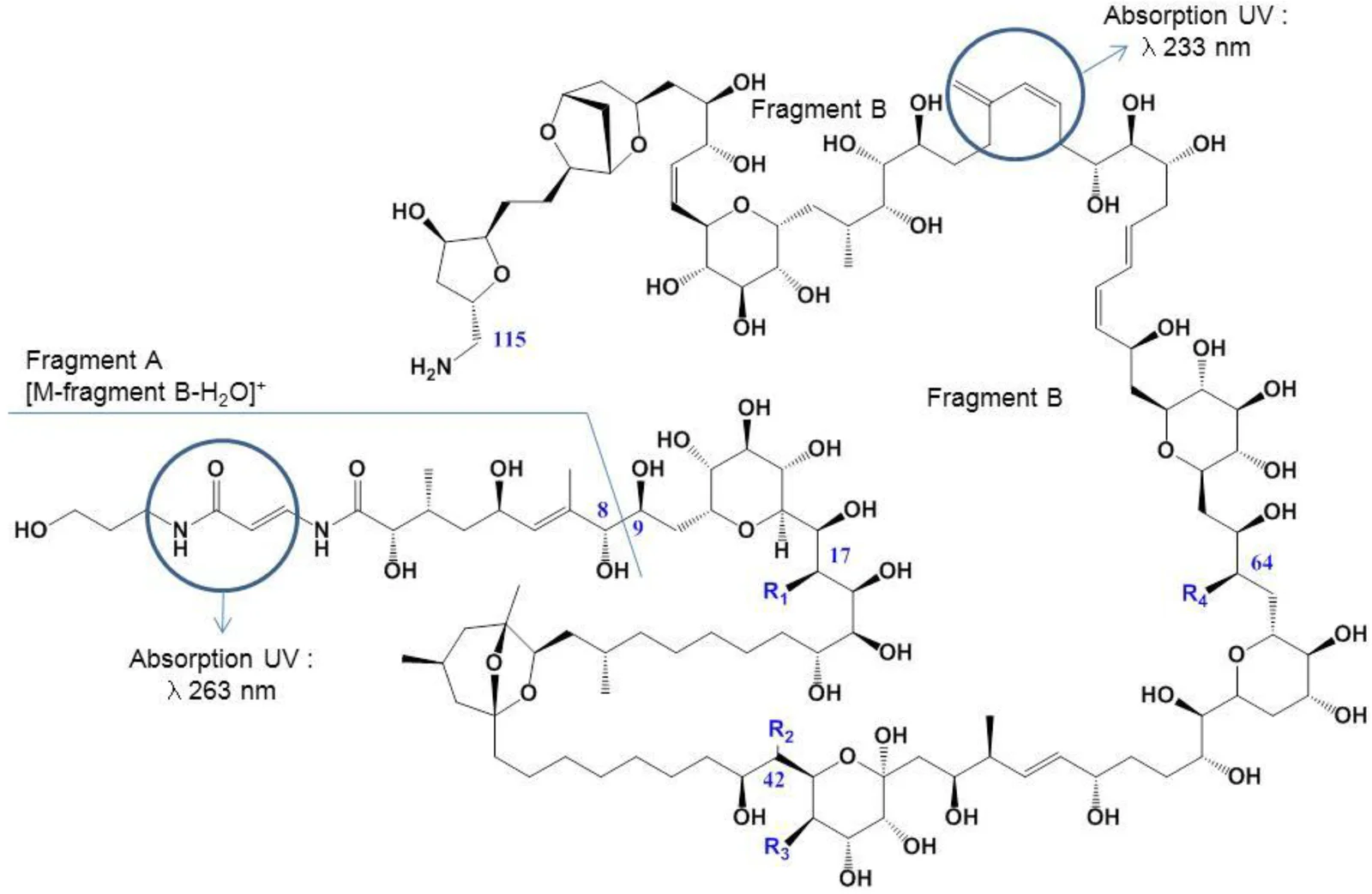
Long description
Palytoxin (PLTX) and ovatoxin (OVTX)-a structures. (see Imag 1 29216a.jpg, but take care of different numbering).

Marine biotoxins represent a diverse group of low-molecular-weight chemical compounds accumulated within the food web, originating primarily from marine microalgae and dinoflagellates. When ingested by humans via contaminated seafood, these molecules provoke distinct pathophysiological syndromes known collectively as ichthyosarcotoxism or marine toxin poisonings. Regulatory authorities establish strict controls to safeguard consumer health, noting that European regulations enforce specific hygiene rules stating that fishery products containing biotoxins such as ciguatoxin or muscle-paralysing toxins must not be placed on the market. Furthermore, these legislative texts dictate that fishery products derived from poisonous fish of specific families, including Tetraodontidae, Molidae, Diodontidae, and Canthigasteridae, are not placed on the market. [1]
From a toxicological standpoint, determining precise exposure thresholds is critical for public health. For instance, based upon the evaluation of ciguatoxin content in fish samples using a mouse bioassay, a maximum permitted level of 0.01 ng per gram of P-CTX-1 equivalent toxicity was proposed for fishery products caught in the Pacific in the year 2000. This specific maximum permitted level was derived from the estimation of ciguatoxin content in fish samples taken from meal remains after a mil [1]
DefinitionIchthyosarcotoxism
Syndromes caused by ingesting fish flesh containing natural toxins accumulated through marine trophic webs.
DefinitionBrevetoxins
A family of polyether ladder toxins produced by the dinoflagellate Karenia brevis that act on voltage‑sensitive sodium channels (VSSCs).
DefinitionVoltage‑sensitive sodium channel (VSSC)
A membrane‑bound ion channel that opens in response to changes in membrane potential, allowing rapid influx of Na⁺ and initiation of action potentials.
DefinitionSite 5 binding
The specific locus on the α‑subunit of the VSSC where brevetoxins dock, stabilising the open state of the channel and prolonging depolarisation.
DefinitionParent toxins
The two structurally distinct brevetoxins that serve as biosynthetic precursors for the whole toxin family: PbTx‑1 (brevetoxin A) and PbTx‑2 (brevetoxin B) [ P5 ]. [5]
- PbTx‑1 (brevetoxin A) – contains five‑, six‑, seven‑, eight‑ and nine‑membered rings in a single molecule, the only natural toxin known with this complete ring series [ P3 ]. [5]
- PbTx‑2 (brevetoxin B) – a trans‑fused polyether ladder with a lactone in the A‑ring and a reactive α,β‑unsaturated aldehyde side chain; the reduced form, PbTx‑3, lacks the aldehyde and possesses an allylic alcohol [ P1 ].
- Derivatives – all examined natural derivatives exhibit reduced toxicity relative to the parent toxins; no synthetic analogue has surpassed the potency of PbTx‑1 or PbTx‑2 [ P5 ]. [5]
| Concept | Definition |
|---|---|
| Affinity | The strength of the interaction between a brevetoxin and site 5 on the VSSC; higher affinity yields a lower concentration needed for effect. |
| Efficacy | The ability of the bound toxin to stabilise the open channel conformation, measured by the prolongation of Na⁺ influx. |
| Potency | The concentration that produces a defined physiological response (e.g., 50 % increase in airway resistance). |
Inhaled brevetoxins arise when aerosolised particles from red‑tide blooms contain free toxin molecules or small fragments of K. brevis cells. The aerosolised fraction can reach the lower respiratory tract, where binding to VSSCs on airway epithelium and sensory nerves triggers bronchoconstriction, cough and neuro‑irritative symptoms [ P8 ]. Because the aerosol may contain a mixture of fully active toxins, partially active metabolites and antagonists such as brevenal, the overall clinical picture depends on the relative proportions of each component [ P8 , P16 ].
- Brevenal – a naturally occurring compound isolated from bloom waters that competitively binds site 5, attenuating the effects of brevetoxins [ P16 ].
- Hemibrevetoxin – structurally related to brevenal, reported to be cytotoxic but lacking antagonistic activity [ P16 ].
Understanding these definitions provides the vocabulary needed to discuss how ageing influences the pharmacokinetics of inhaled brevetoxins, a topic explored in the subsequent quantitative section.
The molecular mechanisms of marine neurotoxins rely heavily on specific ion channel interactions. Regarding marine toxins, voltage-gated sodium channel inhibiting toxins like the saxitoxins and tetrodotoxins target the voltage-gated sodium channel binding site 1. Radioligand binding assays were successfully applied to saxitoxin and tetrodotoxin detection using tritiated saxitoxin as a binding competitor. In direct contrast, voltage-gated sodium channel activating toxins like ciguatoxins (including Pacific, Caribbean, and Indian ocean variants) share a common receptor with brevetoxins, specifically binding site 5, which is located on the alpha subunit of the voltage-gated sodium channel. These binding activities have been thoroughly explored across brain, cardiac, and skeletal muscle sodium channel isoforms expressed in human, rat, marine mammals, marine turtles, and fish neuronal tissues. Comparative pharmacological studies demonstrate that Pacific and Caribbean ciguatoxins are more potent in binding to site 5, exhibiting much higher affinity than brevetoxins. [1]
These complex parent structures undergo significant biotransformation. Some of these toxins accumulate in fish tissue and can be metabolized into different forms, such as CTX-1B and 51-hydroxyCTX-3C, originating from original ciguatoxin structures like CTX-3C and CTX-4B, which are ultimately responsible for human intoxication. In parallel, diagnostic detection strategies face analytical hurdles because several toxic compounds can be present within natural samples, or the sample itself may cause cell death. Consequently, having a specific assay for a targeted family of toxins is crucial for diagnostic purposes. While cytotoxicity assays often lack specificity—which can hinder their application in screening marine toxins in natural samples—specific agonists or antagonists of some toxins have been utilized to enhance detection accuracy for neurotoxins such as saxitoxin, brevetoxin, ciguatoxin, and palytoxin. [1]
Superimposed upon acute marine intoxications are the physiological shifts of ageing, which profoundly alter systemic pharmacokinetics and xenobiotic disposition. Ageing is characterized by progressive physiological decline, featuring phenomena such as the age-related accumulation of advanced glycation end-product albumin, S100N, and increased membrane expression of the receptor for advanced glycation end-products, which were found to be more prominent in visceral rather than in subcutaneous fat. Researchers concluded that visceral fat was involved in the pathogenesis of inflammation-induced complications in the elderly. Furthermore, chronic low-grade inflammation driven by advanced glycation end-product signalling disturbances acts as a common contributing factor for noncommunicable chronic inflammatory diseases, which collectively alter hepatic clearance, volume of distribution, and renal elimination pathways for drugs and environmental toxins alike. [3]
| Toxin Class | Ion Channel Target | Binding Site | Analytical / Regulatory Status |
|---|---|---|---|
| Tetrodotoxin | Voltage-gated sodium channel | Binding Site 1 | Regulated via family bans (Tetraodontidae) |
| Ciguatoxin | Voltage-gated sodium channel | Binding Site 5 | MPL 0.01 ng/g P-CTX-1 equivalent; no official standard method |
| Saxitoxin | Voltage-gated sodium channel | Binding Site 1 | Monitored via official reference methods including bioassays |
Marine Toxin Evaluation and Ageing Kinetics
- Seafood IngestionExposure to ciguatoxins or tetrodotoxins via contaminated marine species.
- Question: Toxin Mechanism Identified?
Yes
- Target AnalysisEvaluate via site-specific binding assays or regulatory maximum permitted levels.
No
- Cytotoxicity ScreenApply targeted agonists or antagonists to overcome assay limitations.
- Elderly DispositionAccount for altered pharmacokinetics driven by visceral fat accumulation and receptor alterations.
Clinical pearlReceptor Homology
Ciguatoxins and brevetoxins share binding site 5 on the sodium channel alpha subunit, but ciguatoxins exhibit vastly superior binding affinity.
Pharmacokinetic modelling of inhaled brevetoxins follows the classic one‑compartment inhalation model, adapted for the unique physicochemical properties of polyether ladder molecules.
-
Absorption rate (Rₐ)
Rₐ = f × Cₐᵢᵣ × V̇ₑ
where f is the fraction of inhaled toxin that deposits in the alveolar region, Cₐᵢᵣ the airborne concentration (µg m⁻³), and V̇ₑ the minute ventilation (L min⁻¹). -
Distribution volume (Vd)
Vd = k × BodyWeight
with k representing the tissue‑binding coefficient for brevetoxins (empirically ≈ 0.8 L kg⁻¹ for healthy adults). -
Elimination rate constant (kₑ)
kₑ = CL / Vd
where CL is the clearance (L h⁻¹). Clearance declines with age due to reduced hepatic and renal function; a typical 30 % reduction is observed in individuals over 65 years. -
Plasma concentration–time profile (Cₚ(t))
Cₚ(t) = (Rₐ / CL) × (1 − e^(−kₑ t)) -
Effect‑site concentration (Cₑ)
Cₑ = Cₚ × Emax / (EC₅₀ + Cₚ)
where Emax is the maximal physiological response (e.g., % increase in airway resistance) and EC₅₀ the concentration producing half‑maximal effect.
Scenario: A 70‑year‑old fisherman is exposed to a red‑tide aerosol containing PbTx‑3 at 0.5 µg m⁻³ for 30 minutes while breathing at a minute ventilation of 12 L min⁻¹. Assume alveolar deposition fraction f = 0.2, body weight 75 kg, and age‑adjusted clearance 30 % lower than the adult reference value of 0.5 L h⁻¹.
-
Absorption rate
Rₐ = 0.2 × 0.5 µg m⁻³ × 12 L min⁻¹ × (1 m³ / 1000 L) = 0.0012 µg min⁻¹. -
Distribution volume
Vd = 0.8 L kg⁻¹ × 75 kg = 60 L. -
Adjusted clearance
CLₐgₑd = 0.5 L h⁻¹ × (1 − 0.30) = 0.35 L h⁻¹ = 0.0058 L min⁻¹. -
Elimination constant
kₑ = 0.0058 L min⁻¹ / 60 L = 9.7 × 10⁻⁵ min⁻¹. -
Plasma concentration at the end of exposure (t = 30 min)
Cₚ(30) = (0.0012 µg min⁻¹ / 0.0058 L min⁻¹) × (1 − e^(−9.7×10⁻⁵ × 30))
≈ 0.207 µg L⁻¹ × (1 − e^(−0.0029)) ≈ 0.207 µg L⁻¹ × 0.0029 ≈ 0.0006 µg L⁻¹. -
Effect‑site concentration (assuming Emax = 100 % increase in airway resistance, EC₅₀ = 0.001 µg L⁻¹)
Cₑ = 0.0006 × 100 / (0.001 + 0.0006) ≈ 60 / 1.6 ≈ 37 % increase.
Interpretation: Even a modest airborne concentration yields a measurable physiological effect in an older individual because reduced clearance prolongs systemic exposure. The calculation demonstrates how age‑related pharmacokinetic changes amplify toxicity.
| Parameter | Young adult (20‑40 y) | Older adult (≥ 65 y) | Typical change |
|---|---|---|---|
| Minute ventilation (V̇ₑ) | 10 L min⁻¹ (rest) | 12 L min⁻¹ (rest) | ↑ ≈ 20 % due to reduced lung elasticity |
| Clearance (CL) | 0.5 L h⁻¹ | 0.35 L h⁻¹ | ↓ ≈ 30 % (hepatic/renal decline) |
| Tissue‑binding coefficient (k) | 0.8 L kg⁻¹ | 0.8 L kg⁻¹ (unchanged) | – |
| Deposition fraction (f) | 0.15 | 0.20 | ↑ due to airway remodeling |
These adjustments are applied directly in the equations above, allowing clinicians to predict higher plasma and effect‑site concentrations in the elderly, even when inhaled dose is identical.
Varying the deposition fraction from 0.15 to 0.25 while keeping other variables constant changes the final plasma concentration proportionally (Cₚ ∝ f). A 66 % increase in f raises Cₚ from 0.0006 µg L⁻¹ to ≈ 0.001 µg L⁻¹, pushing the effect‑site concentration above the EC₅₀ and potentially doubling the airway resistance response. This highlights the importance of individual respiratory mechanics in risk assessment.
they competitively bind at site 5 on the sodium channel (citation tags unchanged)
Cᵢ = (IC₅₀ × [Brevetoxin]) / (Kᵢ − IC₅₀)
Assuming a bronchial brevetoxin concentration of 0.001 µg L⁻¹ and IC₅₀ ≈ 0.4 µg L⁻¹, Cᵢ ≈ 0.8 µg L⁻¹. Delivering this dose via a metered‑dose inhaler (10 µg per puff) yields a deposited brevenal amount of 2 µg (assuming f = 0.2), comfortably exceeding the target concentration in the airway lining fluid of a 70‑kg adult.
These quantitative tools enable medical students to translate structural knowledge of brevetoxins into predictive pharmacokinetic and pharmacodynamic assessments, particularly when considering the altered physiology of ageing populations.
- Ciguatera Fish Poisoning is caused by consuming fish containing ciguatoxins in tropical and subtropical endemic regions.
- Both herbivorous and carnivorous fish can be toxic, spanning over 400 potentially ciguateric species.
- Within the same species, young fish are less hazardous than older and larger specimens.
- Epidemiological assessment is hindered because CFP cases are widely recognized as underreported.
- Symptom variations between geographical areas stem from pharmacokinetic and structure-activity differences among CTX congeners.
- One mouse unit is defined as the lethal dose killing a 20 g mouse in 24 hours after intraperitoneal injection.
- Mouse unit mass equivalents range from 5 ng for Pacific P-CTX-1 up to 72 ng for pure Caribbean CTX-1.
- Case confirmation relies upon detecting CTXs in remaining meals or patient plasma.
Answer each one in your head first, then open the answer.
What is the primary cause of ciguatera fish poisoning?
Show answerHide answer
The consumption of fish that contain ciguatoxinsHow do the hazard levels of young fish compare to older fish within the same species?
Show answerHide answer
Young fish are less hazardous than the older and larger onesWhy is the epidemiology of ciguatera fish poisoning difficult to assess accurately?
Show answerHide answer
Because CFP cases are widely recognized as underreportedWhat mass of pure Caribbean CTX-1 constitutes one mouse unit?
Show answerHide answer
72 ngWhat biological samples are used for the definitive confirmation of CFP cases?
Show answerHide answer
The remaining meal or the plasma of patients
Understanding the clinical presentation and physiological downstream effects of marine biotoxins and metabolic aging pathways is vital for medical management. Ciguatera fish poisoning represents a primary global seafood toxin concern, leading to coordinated efforts to improve risk assessment, risk management, and risk communication to reduce its worldwide impact. Clinical recognition has historically relied upon biological testing methods such as the mouse bioassay used by the FDA Gulf Coast Seafood Laboratory since 1990 for suspected toxic fish samples. While the mouse bioassay is unsuitable as a market test for individual checking of ciguatoxins, it remains a helpful toxicological tool for laboratories lacking access to validated alternative methods. Modern screening alternatives include the Neuro-2a cell-based assay, which possesses a high screening capacity suitable for monitoring programs. For instance, screening 64 fish from the Cameroon coastline detected three toxic fish, revealing the health hazards associated with ciguatera along the southeastern Atlantic coast of Cameroon for the first time. Because cellular assays do not discriminate among different neurotoxins acting similarly, analytical confirmation is required whenever possible. [1]
Clinical pearlScreening Limitations
Cell-based neurotoxin assays can detect biological activity but require secondary analytical confirmation to identify specific compounds.
In parallel with acute seafood poisonings, age-related metabolic shifts and advanced glycation end-products play major roles in chronic disease pathogenesis. Advanced glycation end-products contribute to physiological aging and numerous major chronic diseases, including diabetic pathology, neurodegenerative conditions, autoimmune and inflammatory disorders, and metabolic cardiovascular diseases. Therapeutic strategies targeting these pathways involve novel inhibitors categorized into inhibitors of formation, breakers of preformed products, and signaling blockers. Although various clinical trials have tested agents such as L-carnosine, amyloid-beta receptor inhibitors, and dipeptidyl peptidase-4 inhibitors combined with peroxisome proliferator-activated receptor-gamma agonists, satisfactory results for clinical practice remain limited. [3]
Metabolic therapeutics also address dyslipidemia, which arises from nutritional and genetic factors and strongly links to metabolic disorders and cardiovascular disease. Nicotinic acid represents the earliest therapeutic agent for dyslipidemia, effectively lowering triglycerides and low-density lipoprotein cholesterol while raising high-density lipoprotein cholesterol. Pharmacokinetic evaluations of newer metabolic precursors reveal dose-dependent pharmacological responses. When administered orally to participants for 8 weeks, nicotinamide riboside combined with pterostilbene at a recommended dose of 250 mg nicotinamide riboside plus 50 mg pterostilbene increased nicotinamide adenine dinucleotide levels by approximately 40%, whereas a double dose of 500 mg nicotinamide riboside plus 100 mg pterostilbene increased nicotinamide adenine dinucleotide levels by approximately 90% without serious adverse side effects. [4]
Clinical Evaluation of Seafood Toxins and Metabolic Interventions
- Suspected Seafood ToxicityAssess clinical history and exposure to marine species.
- Question: Validate Toxicity?
Cell Assay
- Perform Neuro-2a assay for high-capacity screening.
- Confirm specific ciguatoxins using analytical methods.
Bioassay
- Utilize mouse bioassay where alternative methods are absent.
Laboratory investigation of marine biotoxins involves several established diagnostic modalities, ranging from traditional animal models to advanced in vitro cellular systems and competitive binding assays. The mouse bioassay is still the current official detection method for most marine toxins, such as the paralytic and diarrheic shellfish poisoning toxins, which has been used for the protection of consumers for the past decades. With respect to ciguatera, mouse bioassays have been widely used for the screening of ciguatoxicity in fish samples. However, ethical pressure to avoid research with animals is supporting the development and validation of alternative or complementary methods under Directive 86/609/EEC for the elimination or decreased use of mouse bioassays in routine food safety assessments. [1]
In vitro cell models provide important tools for studying the effect of toxins in cells isolated from different tissues and for comprehending the mechanisms of action in cells that present specific targets, such as specific receptors, for the toxin in question. In vitro approaches allow more comprehensive toxicological profiles, which are of additional value beyond the single hazard identification. Cells respond rapidly to toxic stress through the alteration of metabolic rates, cell growth, or the transcription of genes that control basic functions. Consequently, the cytotoxicity assay has been developed for the analysis of food designated for human consumption. The development of cytotoxicity assays for toxin detection has important methodological implications and represents a clear advancement in hazard identification because the use of cultured cells is likely to replace the use of living animals. [1]
DefinitionNeuro-2a CBA
The Neuro-2a dependent cell-based assay using the MTT test endpoint is the best established and most widely used method for neurotoxin detection in natural samples. [1]
Comparison of the cell response after exposure to natural samples in the presence or absence of ouabain and veratridine allows for the detection of neurotoxins and for their characterization in accordance with the type of cell response obtained. The use of sodium channel blocking toxins, specifically ouabain and veratridine, led to the development of various cell-based assays for the detection of neurotoxins. A Neuro-2a cell-based assay ready-to-ship kit, consisting of a modification of the assay with shippable plates and reagents to be used by unspecialized laboratories, was developed for the determination of voltage-gated sodium channel blocking toxins in 1999. However, it proved to be unsuccessful, probably due to a lack of stability during shipment or unreliable laboratory conditions. The Neuro-2a cell line serves as a reference model due to its easy handling, elevated sensitivity to ciguatoxins, and accuracy in routine screening, making it suitable for inter-laboratory comparison exercises for validation purposes and standardization. [1]
| Modality | Primary Application | Key Advantage | Limitation |
|---|---|---|---|
| Mouse bioassay | Paralytic and diarrheic shellfish poisoning screening | Official detection method for decades | Ethical pressure and regulatory reduction |
| Neuro-2a CBA | Neurotoxin detection and ciguatoxin screening | High sensitivity and easy handling | Requires cell culture maintenance |
| Receptor binding assay | Ciguatoxin and brevetoxin quantification | Measures specific receptor binding competition | Requires radioactive or labeled components |
Receptor binding assays are designed to measure the binding competition between ciguatoxin in a sample and a tritiated brevetoxin standard for the sodium channel receptor. The use of tritiated brevetoxin is a necessity, as presently no tritiated ciguatoxin is available. This is due to the infinite quantity of ciguatoxins present in biological samples and the large quantities, specifically several micrograms, of pure toxins necessary for the synthesis of tritiated standards. Most authors used tritiated brevetoxin-3 and a few used tritiated brevetoxin-9. Tritiated brevetoxin-3 at 15 Ci per mmol is prepared by the reduction of brevetoxin-2 with tritiated sodium reduction according to established methods. Certified tritiated brevetoxin-3 is commercially available on demand, and the purity of the stock solution should be near 99 percent as determined by high-performance liquid chromatography analysis, with storage kept at minus 80 degrees Celsius. [1]
Laboratory Toxin Investigation Workflow
- Sample CollectionObtain biological or fish tissue sample.
- Question: Select Assay Type
Cellular
- Neuro-2a CBAAssess cytotoxicity with ouabain and veratridine.
Receptor
- Receptor Binding AssayMeasure competition with 3H-PbTx standard.
When testing biological samples, calibration of the assay is generally performed by testing each receptor binding assay with a known amount of purified toxins, such as brevetoxins or ciguatoxins, or with a toxic extract of Gambierdiscus with a known concentration of P-CTX or C-CTX equivalents. Practically, the half-maximal inhibitory concentration value for the biological samples is expressed in equivalent of cells per millilitre for microalgae samples or gram of tissue per millilitre for fish samples. The half-maximal inhibitory concentration value obtained with standard toxin or calibrated sample is substituted by the value obtained with the biological sample for the quantification of toxins expressed in grams of brevetoxin, P-CTX, or C-CTX equivalents per gram of fish tissue or per cell for algal samples. For example, receptor binding assay toxicity could be expressed as picograms of P-CTX-3C equivalents per cell for Gambierdiscus samples, and as nanograms of C-CTX-1 equivalents per gram or nanograms of P-CTX-3C equivalents per gram of flesh for fish tissues. Despite the relevance of receptor binding assay tools, the need for specific equipment and licensing requirements for the use of radiolabeled components may lead to obvious limitations in the application of this assay. Attempts to modify this assay to use a label other than tritiated forms has led to the development of a competitive receptor binding assay based upon the use of brevetoxin-B2 labeled with a chemiluminescent acridinium moiety. The acridinium brevetoxin-B2 seems to be a promising alternative to the conventional radioactive ligand in order to avoid constraints associated with receptor binding assays. Analytical methods also include high-performance liquid chromatography with fluorescence detection, although alkaline oxidation approaches have shown poorer analytical precision compared to animal bioassays. [1]
Ciguatera fish poisoning (CFP) is primarily managed with supportive care, as no specific antidote exists. The most widely described medical intervention is mannitol, administered intravenously early after intoxication; this appears to be the most efficient palliative treatment available. The rationale is that mannitol reduces neuronal oedema and may counteract the effects of ciguatoxins (CTXs) on voltage-gated sodium channels, though the evidence base is largely observational. Medical centres in newly affected areas should be aware of both the risk of CFP and the effectiveness of mannitol and other symptomatic treatments. Local traditional medicine should not be dismissed, as it may also be effective. [1]
Beyond mannitol, symptomatic treatments include intravenous fluids, antiemetics, antihistamines, and analgesia, tailored to the patient's predominant symptoms. These measures do not reverse toxin binding but help the patient through the acute phase while the toxin is slowly eliminated.
Exam trapMannitol timing
Mannitol is most effective when given early after intoxication; delayed administration may offer little benefit. Do not wait for laboratory confirmation before treating suspected CFP.
Research into novel treatments has identified several compounds with in vitro protective effects against CTX action. In one study, 27 plant extracts from 31 plants tested showed protective effects against CTX activity, suggesting that new bioactive compounds could be isolated for CFP treatment. More specifically, brevenal, a polyether compound produced by the dinoflagellate Karenia brevis, acts as a potent inhibitor of CTX-induced neurotoxic effects, working through inhibition of CTX-induced catecholamine secretion. These compounds are considered new candidates for CFP treatment, though none has yet reached clinical use. [1]
NoteMechanism of brevenal
Brevenal appears to compete with CTX at the voltage-gated sodium channel, reducing the excessive neurotransmitter release that drives many symptoms.
When testing fish samples for CTXs, the concentration of tissue equivalent (TE) exposed to cells must be carefully controlled, as excessive matrix can itself be toxic. Recommended maximum concentrations vary by preparation method: one study used 2 g TE mL⁻¹, while another recommends no more than 20 mg TE mL⁻¹. This wide range reflects differences in sample clean-up and cell sensitivity. [1]
| Study | Maximum tissue equivalent |
|---|---|
| Dickey | 2 g TE mL⁻¹ |
| Dechraoui | No more than 20 mg TE mL⁻¹ |
The Receptor Binding Assay (RBA) is a well-established approach for detecting CTXs and other toxins acting on voltage-gated sodium channels. RBAs are highly sensitive and specific, using competitive binding of tritiated saxitoxin (STX) or brevetoxin (PbTx) to sodium channels isolated from animal tissues. When samples show non-specific toxicity, quantification is achieved by subtracting the CTX equivalents at 50% effect with and without ouabain/veratridine treatment. [1]
Approach to suspected CFP
- Patient presents with symptoms after fish mealDiarrhoea, vomiting, paraesthesiae, cold–allodynia
- Question: Symptoms within 24–48 h?
Yes
- Consider early IV mannitolMost efficient palliative treatment
- Supportive careFluids, antiemetics, analgesia
No
- Supportive care onlyMannitol less likely to help if delayed
Understanding the global distribution and vulnerability of human populations to marine toxins requires examining how environmental changes and species differences alter exposure risks. Global warming serves as the explanation for the increasing reports of tropical fishes at higher latitudes. Some of these fish species, which become toxic in ciguateric areas, can expand ciguatera fish poisoning to higher latitudes through migration, even in regions where Gambierdiscus species are absent. This geographic shift necessitates the monitoring of sea surface temperature alongside microalgal populations to assess the possible onset of ciguatera in the Mediterranean Sea and Macaronesia. [1]
Administration awareness and legislative frameworks vary significantly across regions. European countries possessing territories in endemic areas, such as France or the Netherlands, may be better acquainted with these marine hazards. Nevertheless, current European legislation takes ciguatera fish poisoning into consideration but fails to provide elaborate information regarding the specific definition of toxin levels and analytical methods for toxin determination. Monitoring programmes rely heavily on tools such as the receptor binding assay, which was successfully applied in three islands of French Polynesia including Tubuai, Raivavae and Nuku-Hiva. This assay detects ciguatoxins across all trophic levels, giving early warning of increasing toxicity and identifying toxic versus non-toxic areas. Interestingly, herbivorous fish in these study islands can display receptor binding assay values as high as or exceeding those found in carnivorous fish. Such findings hold major sanitary significance for local populations in the Australes archipelago due to the higher local availability of herbivorous species compared to other archipelagoes. [1]
Clinical pearlPotency and human threshold
No more than an estimated 1 ng of P-CTX-1 per kilogram of human body weight is needed to elicit mild ciguatera fish poisoning symptoms. [1]
Pharmacokinetic profiles and biological fates also differ markedly across species and age groups, which must be taken into account when evaluating toxic or nutritional agents. For instance, the bioavailability of quercetin in humans ranges from 0.001 to 0.04 percent. Studies involving quercetin aglycone and related glycosides in neonatal calves, cows, and rats provide illustrative information on these species discrepancies in absorption and metabolism. Detailed knowledge of these pharmacokinetic variations is crucial for understanding both natural toxin accumulation and therapeutic drug delivery in diverse patient populations. [2]
| Parameter / Agent | Measure or Value | Context / Species |
|---|---|---|
| P-CTX-1 human threshold | 1 ng per kg body weight | Minimum estimated dose for mild symptoms |
| P-CTX-1 mouse LD50 | 0.25 microgram per kg | Intraperitoneal administration |
| P-CTX-2 mouse LD50 | 2.3 microgram per kg | Intraperitoneal administration |
| P-CTX-3 mouse LD50 | 0.9 microgram per kg | Intraperitoneal administration |
| Quercetin bioavailability | 0.001 to 0.04 percent | Human absorption range |
Global Ciguatera Assessment
- Monitor Sea Surface TemperatureTrack global warming trends driving tropical fish migration to higher latitudes.
- Question: Are Gambierdiscus spp. or migrant toxic fish present?
Yes
- Deploy Receptor Binding AssayScreen microalgae and fish across trophic levels, noting high herbivore toxicity.
No
- Maintain SurveillanceObserve climate indicators in regions like the Mediterranean and Macaronesia.
Ciguatera Fish Poisoning (CFP) is a human intoxication caused by the consumption of fish that contain ciguatoxins (CTXs). The geographical distribution of CFP occurrence is mainly limited to tropical and subtropical areas, and it is found endemically within the western Atlantic Ocean (including the Caribbean Sea), in the Indian Ocean, and in the Pacific. Both herbivorous and carnivorous fish from tropical areas can be toxic, and more than 400 fish species have been reported to be potentially ciguateric. In several areas, it has been possible to recognize the most hazardous fish species; for example, in some parts of the Caribbean Sea, barracuda (Sphyraena spp.) are considered extremely hazardous CFP vectors. [1]
Clinical pearlAge and size hazard correlation
Within the same species, young fish are less hazardous than the older and larger ones. [1]
Identifying fish species at risk is certainly useful for fisheries management and for the establishment of public health regulations, but it is not possible to generalize and establish a list of hazardous species worldwide because there is significant variation in toxin content between individuals within the same species and between geographic areas. The epidemiology of CFP is difficult to assess accurately since it is widely recognized that CFP cases are underreported. Still, numerous epidemiological data exist. Significant differences in symptoms may exist between patients, and differences also exist among symptoms presented by patients from distinct geographical areas. These differences are most probably due to structure-activity and pharmacokinetic variations encountered between the different CTX congeners. Even within areas, the risk of CFP is not homogenous, and the incidence of CFP varies. [1]
DefinitionMouse unit definition
One mouse unit is defined as the lethal dose of a toxin that kills a 20 g mouse in 24 hours after intraperitoneal injection. [1]
To quantify toxicity, the relationship between the dose and time to death is used. One mouse unit is equivalent to 5 ng for Pacific CTXs (P-CTX-1), 18 ng for P-CTX-2, 48 ng for P-CTX-3, and 72 ng for pure Caribbean CTX-1. For in vitro detection, rat brain membranes can be used as a source of voltage-gated sodium channels, and the concentration of synaptosomes used in the radioreceptor assay varies from 40 to 150 micrograms per millilitre according to authors. Synaptosomes can be stored at minus 80 degrees Celsius for several weeks, up until six months. [1]
A major clinical pitfall is relying solely on fish species lists to exclude toxicity globally. Because there is significant variation in toxin content between individuals within the same species and between geographic areas, clinicians must remember that both herbivorous and carnivorous fish from tropical areas can be toxic, and more than 400 fish species have been reported to be potentially ciguateric. Assuming that smaller or younger specimens in a given CFP endemic area carry the same risk as older specimens is incorrect, given that within the same species, young fish are less hazardous than the older and larger ones.
Exam trapGeographic generalisation
Do not assume uniform clinical presentations across regions; significant differences in symptoms may exist between patients from distinct geographical areas due to pharmacokinetic and structure-activity variations among CTX congeners.
Another common diagnostic pitfall is assuming that negative local surveillance or an absence of formal case logs rules out intoxication. The epidemiology of CFP is difficult to assess accurately since it is widely recognized that CFP cases are underreported, and even within endemic areas, the risk of CFP is not homogenous, with varying incidence. Furthermore, clinicians should avoid confusing the bioassay quantification metrics. For instance, the lethal dose definitions for mouse units differ strictly by congener and region: one mouse unit is equivalent to 5 ng, 18 ng, and 48 ng for Pacific CTXs, P-CTX-1, P-CTX-2, and P-CTX-3 respectively, but is significantly higher at 72 ng for pure Caribbean CTX-1. Conflating these values leads to misinterpretation of extract potency and incorrect estimation of consumer exposure levels. [1]
In public health and clinical toxicology practice, patient symptom profiles are used to diagnose and distinguish CFP from other seafood intoxications. However, the definitive confirmation of cases of CFP relies upon the detection of CTXs in the remaining meal or within the plasma of patients. Therefore, it is important to have adequate CTX quantification methods to diagnose CFP cases and, moreover, to prevent intoxications through the analysis of consumable fish. [1]
CFP Diagnostic and Analytical Pathway
- Clinical PresentationEvaluate patient symptoms and geographical exposure history.
- Question: Confirm Diagnosis?
Yes
- Sample AnalysisDetect CTXs in patient plasma or remaining meal remnants.
No
- Differential DiagnosisDistinguish CFP from other seafood intoxications.
Fisheries management and public health bodies use hazard identification of fish species to establish public health regulations. Analytical laboratories employ sophisticated binding assays to support these regulatory frameworks. For example, competitive inhibition enzyme immunoassay is performed using a fixed and limiting amount of antibody pre-incubated with increasing concentrations of free targeted hapten, which is then dispensed into 96-well ELISA microplates coated with a hapten-heterologous carrier conjugate. This simple format enables the determination of parameters such as the dissociation constant and the limit of detection, the latter of which is calculated by assuming that a decrease of three standard deviations from the mean signal without inhibitor is significant when tested with n greater than or equal to 12. [1]
| Toxin Congener | Mouse Unit Equivalent (ng) |
|---|---|
| Pacific CTX-1 (P-CTX-1) | 5 ng |
| Pacific CTX-2 (P-CTX-2) | 18 ng |
| Pacific CTX-3 (P-CTX-3) | 48 ng |
| Caribbean CTX-1 | 72 ng |
- Caillaud A, de la Iglesia P, Darius HT, et al. Update on methodologies available for ciguatoxin determination: perspectives to confront the onset of ciguatera fish poisoning in Europe. Marine drugs 2010;8(6):1838-1907. doi:10.3390/md8061838. Accessed .
- Wang TY, Li Q, Bi KS. Bioactive flavonoids in medicinal plants: Structure, activity and biological fate. Asian journal of pharmaceutical sciences 2018. Accessed .
- Shen CY, Lu CH, Wu CH, Li KJ, Kuo YM, Hsieh SC, Yu CL. The Development of Maillard Reaction, and Advanced Glycation End Product (AGE)-Receptor for AGE (RAGE) Signaling Inhibitors as Novel Therapeutic Strategies for Patients with AGE-Related Diseases. Molecules (Basel, Switzerland) 2020. Accessed .
- Okabe K, Yaku K, Tobe K, Nakagawa T. Implications of altered NAD metabolism in metabolic disorders. Journal of biomedical science 2019. Accessed .
- Baden DG, Bourdelais AJ, Jacocks H, Michelliza S, Naar J. Natural and derivative brevetoxins: historical background, multiplicity, and effects. Environmental health perspectives 2005. Accessed .
Figure credits
Educational content for medical students and doctors. It is not a substitute for clinical judgement or local guidelines.